Lung health.
Research in focus.
Evidence in context.
Explore peptide and bioregulator research into airway cells, tissue injury and fibrosis—and understand the gap between experimental findings and clinical benefit.
Explore the compoundsDifferent injuries.
Different research questions.
Airway inflammation, infection, vascular changes and fibrosis are distinct processes. Researchers use specific cell and animal models to investigate them; success in one model does not establish a treatment for every lung condition.
Most findings below are preclinical, while VIP-related aviptadil has also been tested in human respiratory trials. Established respiratory care can address causes and disease processes as well as symptoms; these research listings do not replace it.
New or worsening breathlessness needs medical assessment. Severe difficulty breathing, chest pain, blue lips or confusion requires urgent care. Do not delay prescribed inhalers, oxygen or other treatment to try research compounds.
Eight compounds. Evidence by research model.
BPC-157
DISTANT-ORGAN INJURYBPC-157 has been investigated in experimental injury and stress-response pathways.
What does the research show?
Demirtaş and colleagues studied 24 rats with lower-limb ischemia–reperfusion injury in 2025. Lung tissue showed lower injury scores in the treated model. This was an acute distant-organ experiment, not a trial of human lung regeneration or treatment of established pulmonary fibrosis.
TB-500 / thymosin beta-4
EXPERIMENTAL FIBROSISThymosin beta-4 is studied in tissue-related pathways. A supplier’s TB-500 label must be matched to the exact molecule used in a paper.
What does the research show?
A study of inhaled recombinant human thymosin beta-4 investigated bleomycin-induced fibrosis in mice. Its molecule, route and model cannot be assumed equivalent to a catalogue vial or a BPC-157/TB-500 combination.
GHK-Cu
OXIDATIVE STRESS & FIBROSISGHK and its copper complex GHK-Cu are related but distinct research interventions.
What does the research show?
Zhou and colleagues studied GHK in 2017. A separate Ma and colleagues paper, published online in 2019 and in print in 2020, investigated GHK-Cu in mice and reported inflammatory and fibrotic changes. Neither establishes reversal of human lung scarring.
Bronchogen
BRONCHIAL EPITHELIUMBronchogen appears in short-peptide bioregulator research involving bronchial tissue.
What does the research show?
A 2015 experiment investigated bronchial epithelium in rats with experimentally induced obstructive lung pathology. Tissue and inflammatory measurements do not establish improved breathing, COPD treatment or airway repair in patients.
Chonluten
CELLULAR INFLAMMATORY SIGNALLINGChonluten is a short-peptide bioregulator explored in signalling research. It should not be treated as interchangeable with Bronchogen.
What does the research show?
The linked 2022 paper studied several peptides in a THP-1 monocyte/macrophage cell line. It does not demonstrate lung-specific gene reprogramming or normalisation of respiratory function in people.
VIP / aviptadil
RESPIRATORY SIGNALLINGVasoactive intestinal peptide has multiple signalling roles. Aviptadil is synthetic VIP used in clinical research.
What does the research show?
The TESICO trial tested intravenous aviptadil in COVID-19-associated hypoxaemic respiratory failure and did not demonstrate improvement in its clinical recovery outcome. Mechanistic interest does not establish a general treatment for asthma, lung fibrosis or pulmonary hypertension.
ARA-290
REPAIR-RECEPTOR PATHWAYSARA-290 is an erythropoietin-derived research peptide investigated in tissue-protective signalling.
What does the research show?
A 2017 conference abstract reported pulmonary vascular and structural findings in an elastase-induced mouse emphysema model. It is early evidence, not a clinical demonstration of repaired lungs or reduced fibrosis in people.
LL-37
AIRWAY HOST DEFENCELL-37 is a human host-defence peptide. Its effects on inflammation depend on the biological context and experimental conditions.
What does the research show?
A study investigated LL-37 expression and antimicrobial activity at the airway surface. That role does not establish that administering a catalogue product treats pneumonia or safely resolves lung inflammation. It is not a substitute for appropriate infection treatment.
Inside the studies.
Limb injury, distant lung effects.
The 24-rat study evaluated biochemical and histological measurements after lower-extremity ischemia–reperfusion. Reduced lung-injury scores do not establish treatment of human chronic lung disease.
Read the published studyA copper-complex study with a defined injury model.
Researchers used bleomycin to induce pulmonary fibrosis in mice and assessed inflammation, collagen deposition and signalling. The experiment supports further investigation; it is not evidence of clinical fibrosis reversal.
Read the published studyAn airway-tissue finding in an animal model.
The study investigated epithelial changes and inflammatory features in rats with obstructive lung pathology. A human respiratory-function benefit was not established.
Read the published studyInclude a clinical result that did not meet expectations.
TESICO compared intravenous aviptadil with placebo in COVID-19-associated hypoxaemic respiratory failure. The trial did not demonstrate improved clinical recovery with aviptadil. This result cannot validate other routes, diagnoses or research-vial products.
Read the published studyEarly vascular findings need confirmation.
The abstract described reduced pulmonary vascular resistance and preservation of alveolar-associated structures in an elastase-induced emphysema model. Conference-level animal evidence is not a human efficacy or safety trial.
Read the published studyWhat would the next study need to show?
Does lower inflammation prove lung repair?
No. Cytokine measurements, tissue appearance, lung function and patient symptoms are separate outcomes. A structural or biomarker result in an animal cannot establish clinical recovery.
Are GHK and GHK-Cu the same study intervention?
No. The 2017 Zhou paper tested GHK; the separate Ma paper tested GHK-Cu. Use the exact molecule and publication when interpreting the result.
Do the suggested combinations have proven synergy?
The papers linked here do not validate BPC-157 plus TB-500, Bronchogen plus Chonluten, VIP plus ARA-290 or GHK-Cu plus LL-37 as lung-treatment protocols. Separate mechanisms cannot establish the effectiveness or safety of a combination.
Does a short animal experiment establish safety?
No. Limited adverse-event reporting or short observation is not evidence of long-term human safety. Product identity, purity and clinical preparation equivalence also matter.
Can this research replace respiratory treatment?
No. Breathlessness, infection and suspected fibrosis need appropriate clinical assessment. Do not stop prescribed treatment or delay urgent care because of research-product claims.
Original article

Out of Breath? Read On...
Peptides & Bioregulators for Lung Health: Research Insights on Repair, Protection & Recovery
Lung tissue faces daily challenges — pollution, infections, smoking, chronic inflammation, and scarring (fibrosis). While standard medicine focuses on symptom management, researchers worldwide are exploring research peptides and bioregulators for their potential to support tissue repair, reduce inflammation, and promote healthier lung function in laboratory models.
At White Rabbit Labs we provide high-purity research compounds so scientists can study these pathways responsibly. This educational article summarises current preclinical findings on both classic peptides and specific bioregulators studied for lung support.
How Peptides & Bioregulators May Support Lungs in Research Models
These short amino-acid chains act as signalling molecules. Some accelerate healing, others calm excessive inflammation or fibrosis, and certain bioregulators (short peptide sequences) appear to “re-educate” lung cells toward healthier function.
Promising Research Compounds for Lung Studies
Mechanism: Promotes angiogenesis, modulates nitric oxide, and reduces pro-inflammatory cytokines. Lung Research Highlights: Protects against distant organ damage in ischemia-reperfusion models and reduces fibrosis in acute lung injury studies.
Mechanism: Regulates actin for cell migration and stem-cell recruitment; limits excessive scarring.Lung Research Highlights: Supports tissue regeneration in pulmonary injury models; often stacked with BPC-157.
Mechanism: Inhibits TGF-β/Smad signalling (a key fibrosis driver) and boosts antioxidant enzymes.
Lung Research Highlights: Significantly reduced bleomycin-induced pulmonary fibrosis in animal studies.
Bronchogen
Mechanism: Short peptide that targets bronchial and lung epithelial cells.Lung Research Highlights: Studied in Russian bioregulator research for supporting bronchial repair and reducing chronic inflammation in respiratory tissue models.
Mechanism: Lung-specific bioregulator that influences gene expression in pulmonary tissue.Lung Research Highlights: Explored for its potential to normalise lung cell function in models of chronic respiratory conditions.
VIP (Vasoactive Intestinal Peptide)
Mechanism: Potent bronchodilator and anti-inflammatory peptide; regulates pulmonary vascular tone.Lung Research Highlights: Investigated in models of pulmonary hypertension, asthma, and acute lung injury for its ability to relax airways and reduce inflammation.
Mechanism: Erythropoietin-derived peptide that activates tissue-protective pathways without stimulating red blood cell production.Lung Research Highlights: Shows promise in reducing inflammation and fibrosis in pulmonary hypertension and acute lung injury models
Mechanism: Antimicrobial peptide with broad immune-modulating and wound-healing properties. Lung Research Highlights: Supports innate immunity in the respiratory tract and helps resolve inflammation in infection or injury model.
Popular Research Stacking Approaches
Researchers often combine compounds for synergistic effects: BPC-157 + TB-500 (classic “Wolverine” stack) — tissue repair + anti-fibrotic. Bronchogen + Chonluten — bioregulator focus on bronchial and lung epithelial health. VIP + ARA-290 — vascular + anti-inflammatory support. GHK-Cu + LL-37 — antioxidant + immune-modulating combination.
Stacking protocols vary widely in preclinical literature and are for research use only. Potential Benefits Observed in Lab Models
Reduced inflammation and oxidative stress. Faster resolution of tissue damage. Support for innate immune balance in the lungs. All findings are from animal, cell, or tissue-culture studies.
Safety & Important Research Notes
These compounds are sold strictly for laboratory and research purposes only. None are approved for human consumption or medical treatment. Side effects in studies are generally minimal, but long-term human data is limited. Always follow ethical guidelines, local laws, and institutional review board requirements.
Citations & Sources
• Demirtaş et al. (2025) – Protective effects of BPC-157 on lung distant organ damage.
• Zhou et al. (2017) – GHK-Cu in bleomycin-induced pulmonary fibrosis.
• Russian bioregulator studies on Bronchogen & Chonluten (Khavinson et al.).
• VIP & ARA-290 reviews in pulmonary hypertension and acute lung injury models (2020–2025).
• LL-37 respiratory immunity literature (multiple reviews 2022–2026).
Disclaimer
This article is for educational and research purposes only. Nothing here constitutes medical advice, diagnosis, or treatment. All listed compounds are sold exclusively for laboratory research use. Always comply with local regulations and consult qualified professionals for any research involving these peptides or bioregulators.
Read the compound information.
View the full available supplier description on EDU. The separate purchase button opens that specific product on White Rabbit Labs in a new tab.
Affiliate disclosure: we may earn commission on qualifying purchases by newly referred customers. Orders, payments and delivery take place on White Rabbit Labs. These listings are not recommendations for treating lung or respiratory conditions.
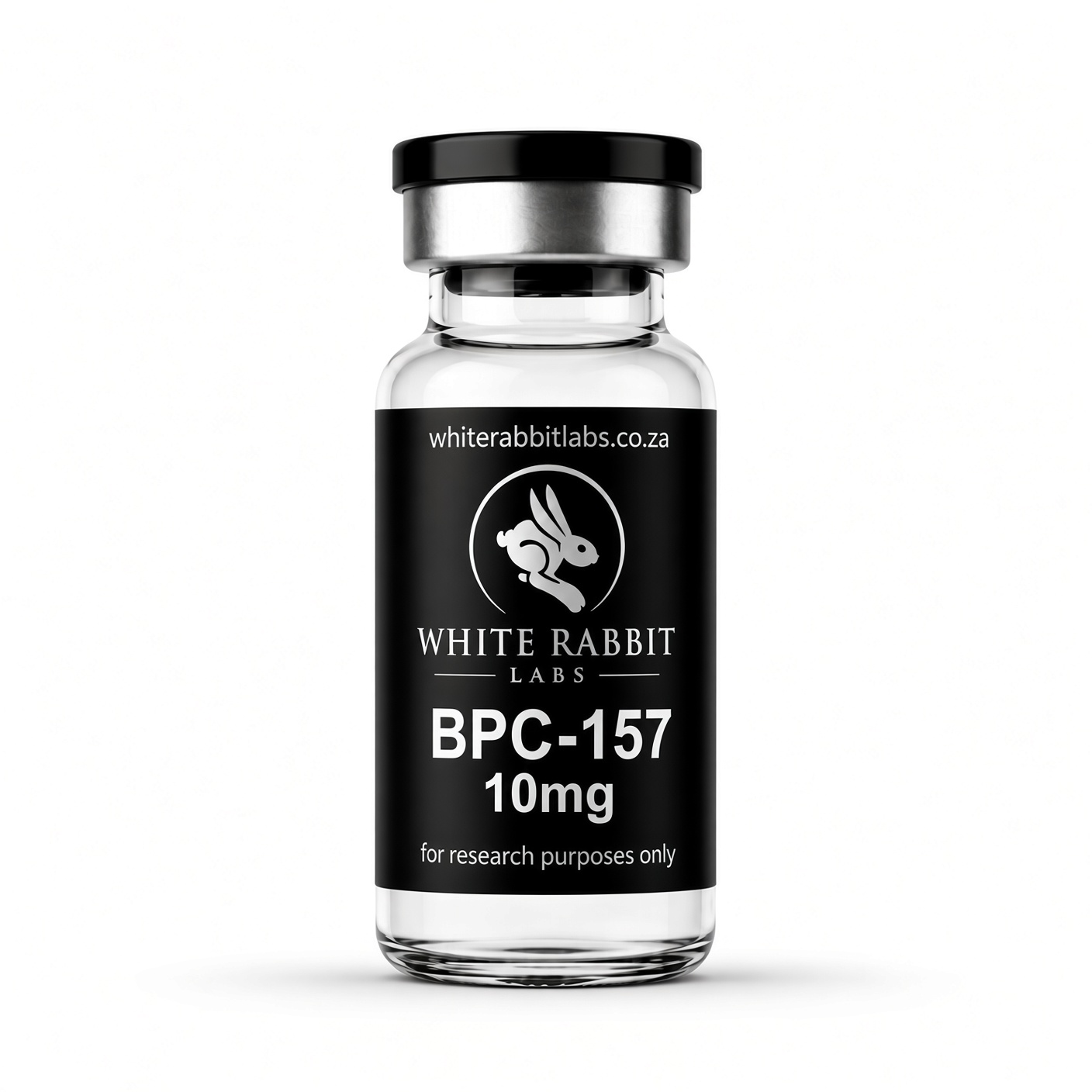
BPC-157 10mg
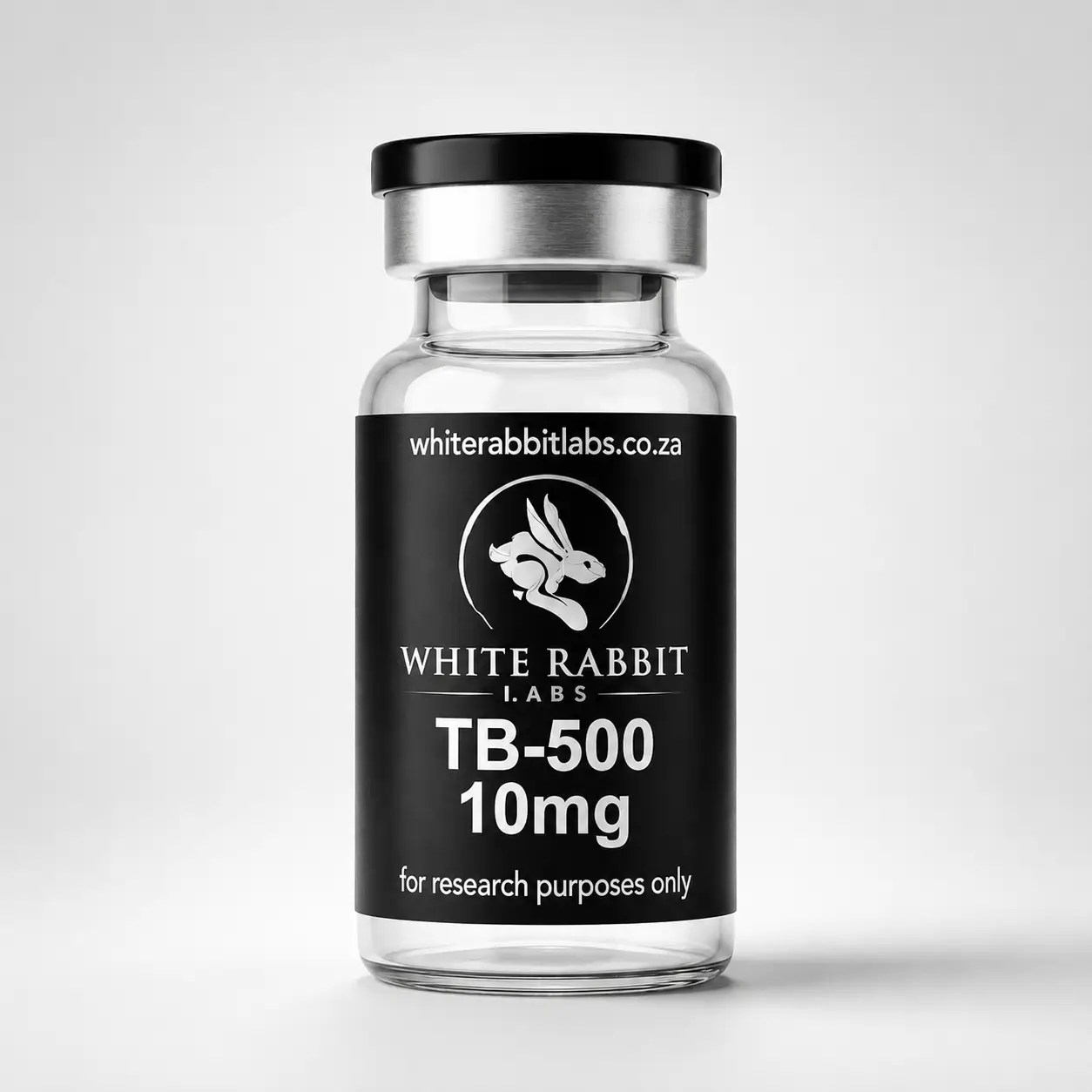
TB 500 (Thymosin B4 Acetate)10mg
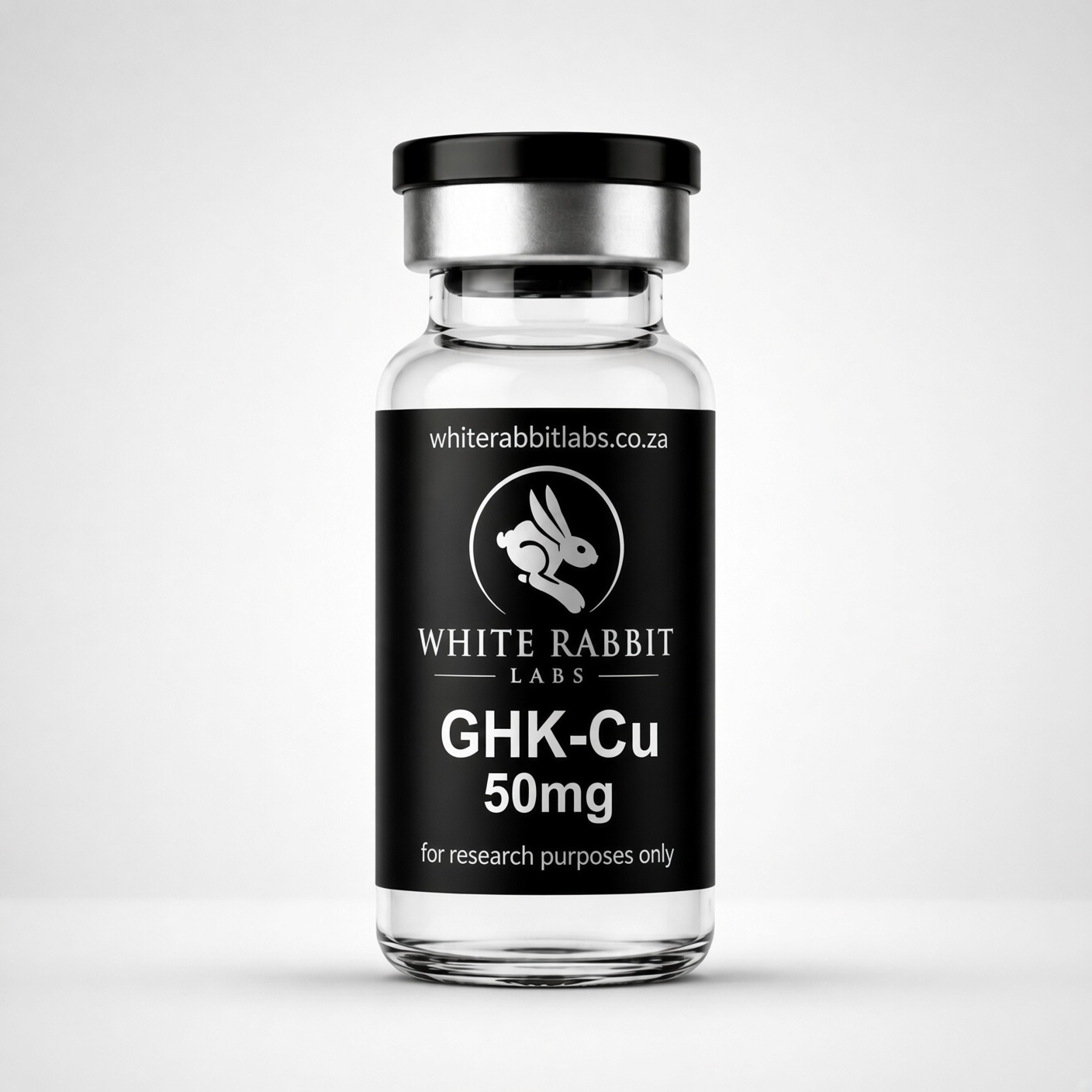
GHK-CU 50mg
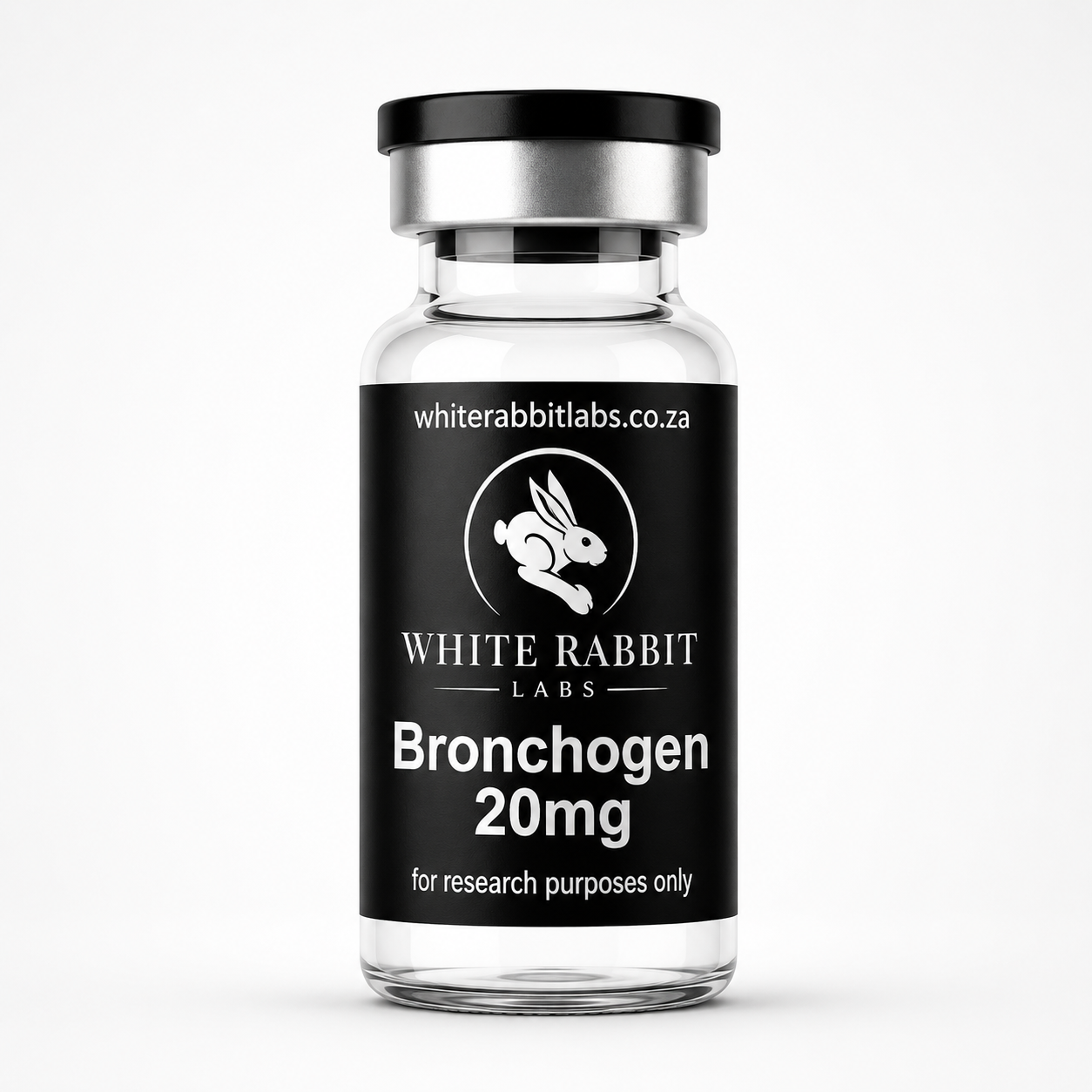
Bronchogen 20mg
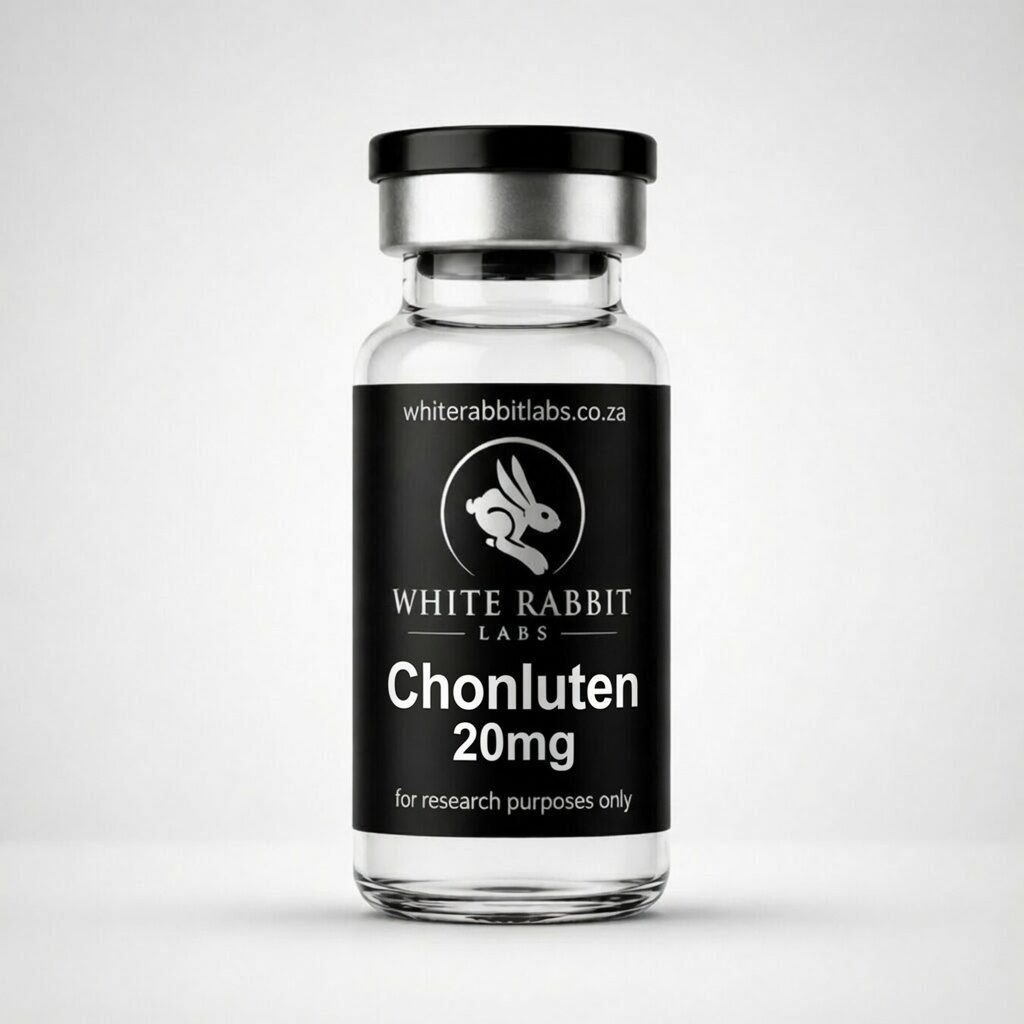
Chonluten 20mg
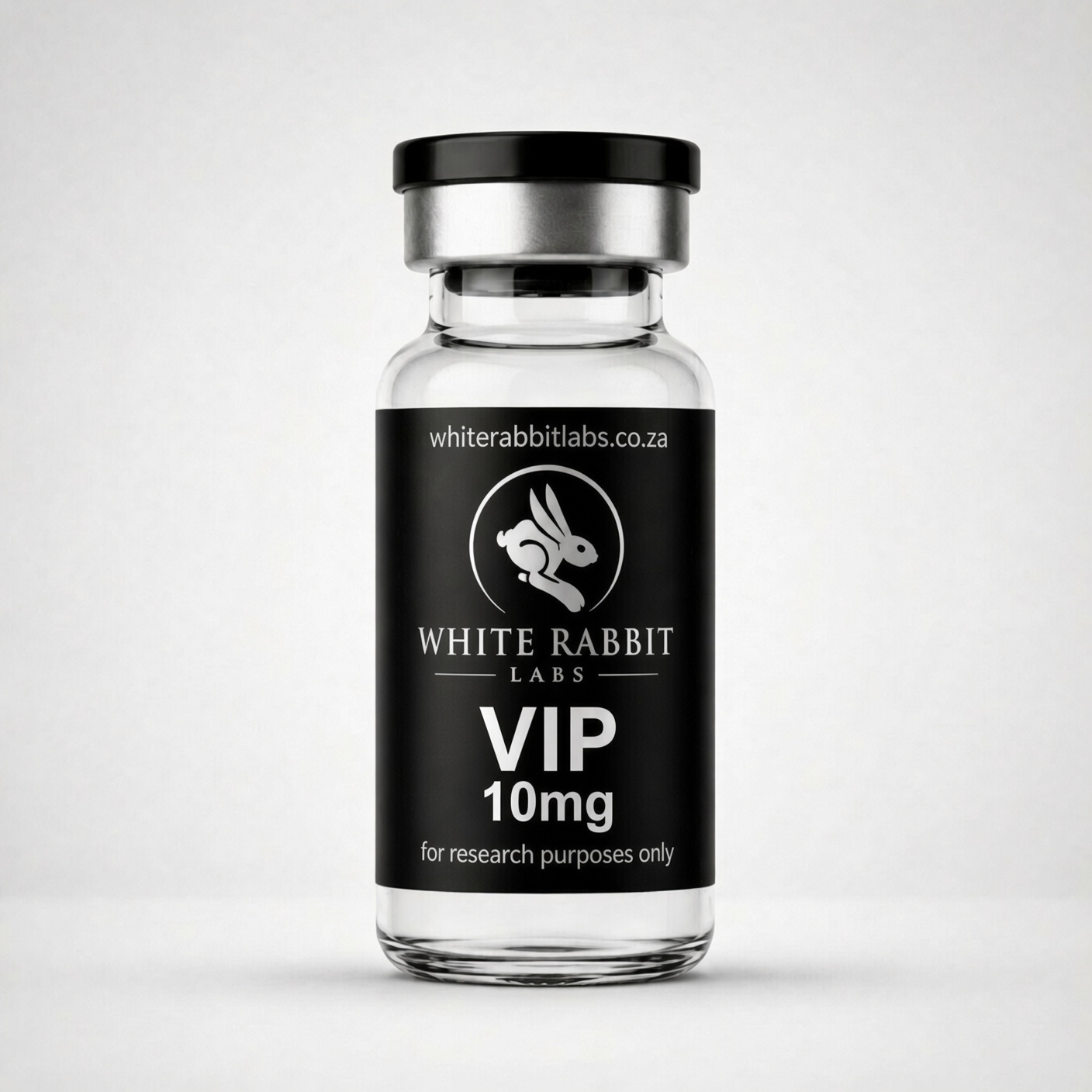
VIP 10mg
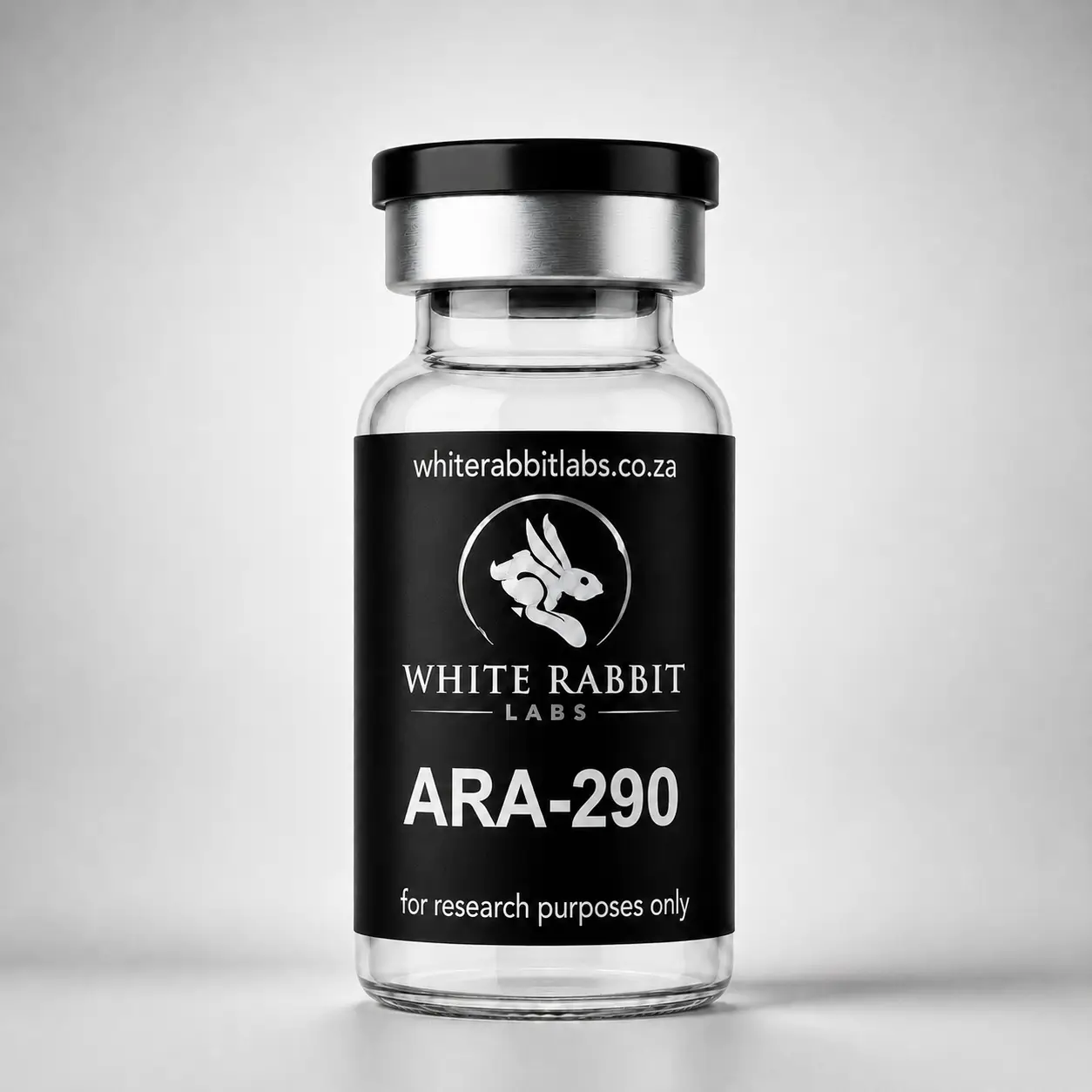
ARA-290 10mg
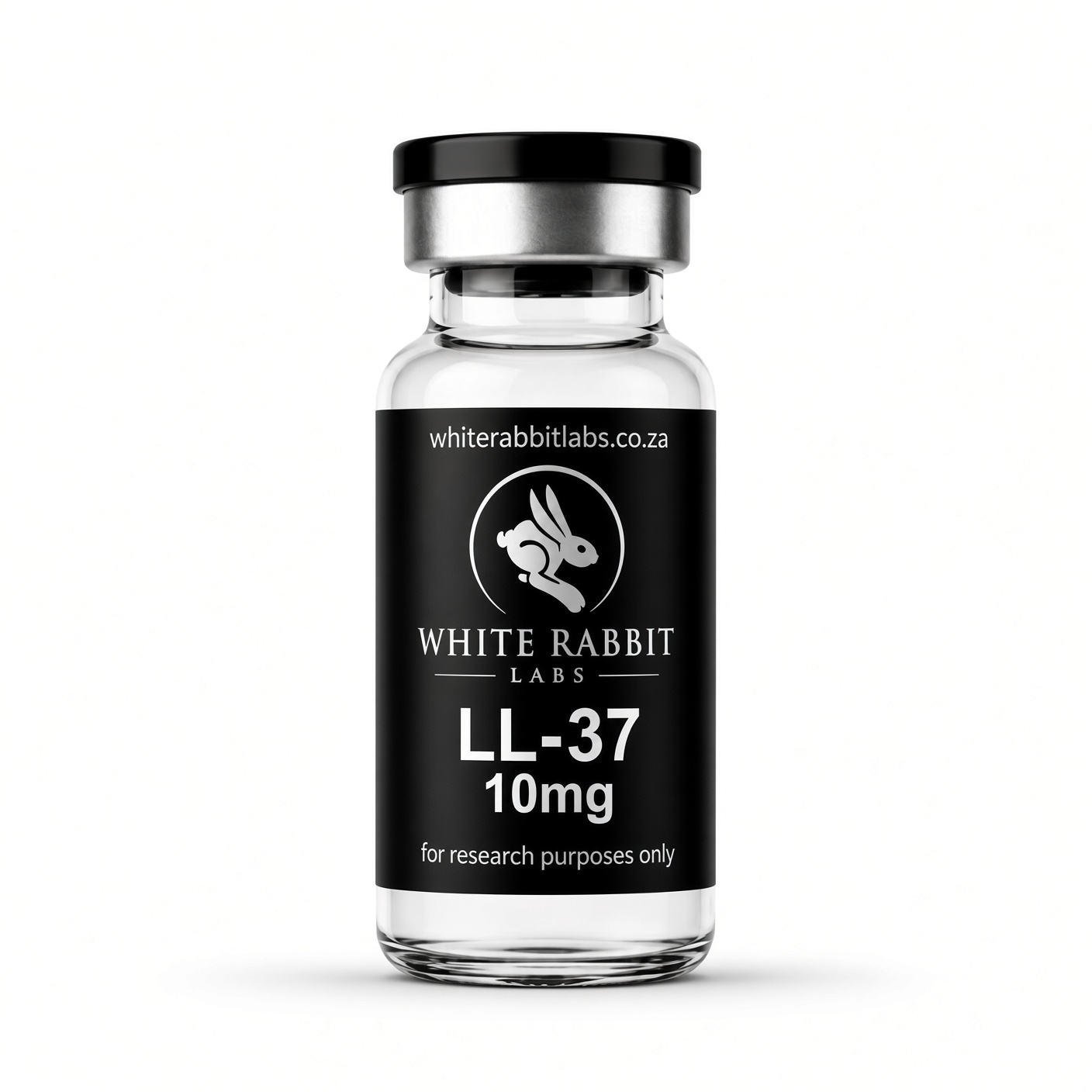
LL-37 10mg
8 catalogue entries
Continue exploring
Educational information, reviewed 3 November 2026. Not medical advice. Research catalogue products are not intended for human or animal consumption. Consult a qualified healthcare professional about symptoms and treatment.