Small peptides.
A fascinating story.
Big research questions.
Explore Khavinson’s bioregulators: the ideas behind tissue-specific peptides, the published findings and the differences that matter.
Meet the bioregulatorsFrom tissue extracts to short-peptide research.
Vladimir Khavinson and collaborators investigated peptide preparations associated with tissues such as the thymus and pineal gland. Their programme connects organ-derived extracts, synthetic short peptides and questions about cellular aging.
Many synthetic compounds in this family contain just a few amino acids. But the family is not one interchangeable treatment: an organ extract, a defined peptide and a supplier’s research vial are different things.
Follow the published trail.
2003: an older-person study reported outcomes with the preparations Thymalin and Epithalamin. 2013–2016: molecular studies explored proposed peptide–DNA interactions. 2022: cell-line experiments investigated several short peptides and inflammatory signalling.
The gene-regulation hypothesis is interesting: short peptides may influence cellular signalling and gene activity. It is not evidence that each product finds a particular organ and reprograms it to become young again.
Explore the eight bioregulators.
Epitalon / Epithalon
TELOMERE RESEARCHEpitalon is a defined synthetic short peptide investigated in cellular-aging research.
What does the research show?
A 2003 experiment reported telomerase activation and telomere elongation in cultured human fibroblasts. The older human longevity papers discussed here tested Epithalamin, a different pineal preparation. Their mortality findings cannot be assigned to an Epitalon vial.
Thymalin
THYMIC PEPTIDE PREPARATIONThymalin is a thymic peptide preparation, rather than simply another defined two-to-four-amino-acid molecule.
What does the research show?
A 2003 report followed 266 older people across groups receiving Thymalin, Epithalamin or comparison care and described health and mortality differences. These historical results need scrutiny of allocation, baseline differences, co-treatment and independent replication. They do not prove an immune-system reset or establish equivalence to a supplier’s product.
Pinealon
NEURONAL RESEARCHPinealon appears in short-peptide research involving neuronal responses and aging-related measurements.
What does the research show?
In-vitro work examined neuronal populations and oxidative processes. A small 2015 human report also investigated Pinealon and Vesugen in people with multiple conditions. Neither establishes reliable memory improvement or brain rejuvenation for general use.
Vesugen
VASCULAR-ASSOCIATED RESEARCHVesugen is discussed in research on short peptides and aging-related biological processes.
What does the research show?
The small 2015 Pinealon/Vesugen study reported biological-age and metabolic findings in a selected clinical population. Such measurements are not equivalent to proven prevention of cardiovascular disease, improved circulation or safe blood-pressure treatment.
Cardiogen
CARDIAC TISSUE MODELSCardiogen has been studied in cultured heart-tissue explants from young and old rats.
What does the research show?
A 2009 study measured cell proliferation and p53 expression in myocardial tissue culture. It did not test heart-function improvement in patients, reversal of fibrosis or prevention of cardiovascular events. Cardiogen should not be confused with the unrelated CardioGen-82 imaging product.
Prostamax
CELLULAR & CHROMATIN RESEARCHProstamax is commonly presented in prostate-related supplier catalogues. The exact experimental model still matters.
What does the research show?
A published 2004 experiment investigated structural changes in chromatin from human lymphocytes. Human cells in a laboratory are not a human clinical trial, and that paper does not demonstrate improved urinary function or treatment of prostate inflammation.
Cartalax
CARTILAGE-ASSOCIATED CATALOGUE ENTRYCartalax is offered as a short-peptide bioregulator associated with cartilage and connective-tissue research.
What does the research show?
The primary studies linked on this page do not establish that Cartalax regenerates human cartilage or treats arthritis. General gene-regulation hypotheses cannot substitute for a trial of the exact compound with meaningful joint outcomes.
Chonluten
INFLAMMATORY SIGNALLINGChonluten is investigated among short peptides in laboratory models of inflammatory pathways.
What does the research show?
A 2022 paper studied peptides in the THP-1 monocyte/macrophage cell line. Changes in signalling in these cells do not demonstrate repair of lung tissue, relief of breathlessness or recovery from respiratory disease in people.
Inside the studies.
Which preparation was actually tested?
The report followed 266 older people for six to eight years across treatment and comparison groups. It reported lower mortality with Thymalin and Epithalamin preparations. It does not establish the same effect for synthetic Epitalon or for modern catalogue products.
Read the published studyTelomerase in cells, not a lifespan trial.
The study reported telomerase activity and telomere elongation in cultured human fibroblasts. Its model cannot establish longer life, improved sleep or increased energy in people.
Read the published studyA proposed interaction needs clinical testing.
Researchers modelled peptide interactions with gene-promoter sites. Molecular models help generate hypotheses; they do not demonstrate selective organ repair or age reversal in patients.
Read the published studyBiological-age markers have limits.
The report investigated Pinealon and Vesugen in people with multiple conditions and organic brain syndrome in remission. It described metabolic and biological-age findings, not established lifespan extension or prevention of cardiovascular events.
Read the published studyInflammation measurements need their model.
A THP-1 monocyte/macrophage experiment investigated several regulatory peptides. This laboratory evidence cannot establish that a compound repairs lungs or treats inflammatory disease in a person.
Read the published studyKeep the story and the science distinct.
What about stories involving Putin and Russian elites?
Claims about who uses a product do not establish whether it works or is safe. The clinical papers linked here do not verify personal use by political figures. Such stories are not presented as evidence or endorsement on this page.
Are all bioregulators approved medicines?
A status claim must name the exact product, formulation, indication and country. An organ-derived preparation cannot be used to imply that every similarly named synthetic peptide is a registered medicine.
Does non-hormonal mean no side effects?
No. Non-hormonal describes one property; it does not establish safety. The scope and duration of safety monitoring, interactions and product quality still matter.
Does gene regulation mean cells become young again?
No. Changes in gene expression, chromatin or a cell-culture marker do not by themselves demonstrate rejuvenation, organ repair or longer human life.
Original article
Archived wording from the 3 November WordPress export. The research summaries above provide context for the original claims.
Read the original Bioregulators article

The Fascinating Story of Khavinson's Bioregulators
The Secret Longevity Weapons from the Soviet Era That Russian Elites Still Use Today
These tiny peptides (2–4 amino acids) are one of the most fascinating and powerful anti-aging discoveries to come out of Russia. Developed in secret Soviet labs and now used openly in clinical practice there, they work by going straight to the DNA in specific organs and “reprogramming” cells to behave like they’re young again.
The Cool History
In the 1970s, the Soviet military gave Professor Vladimir Khavinson a mission: keep cosmonauts, elite soldiers, and athletes performing at peak levels under extreme radiation, stress, and aging. His team extracted short peptides from young animal organs (thymus, pineal gland, heart, etc.) and discovered they could restore organ function at the genetic level.
Over 40+ years, Khavinson refined them into synthetic “Cytogen” peptides. These are now approved pharmaceuticals in Russia and used in hospitals for immune restoration, recovery after radiation/chemo, and healthy aging. Khavinson published over 700 papers and received high state honors.
The Putin Connection
Professor Khavinson was widely known in Russian media as “Putin’s gerontologist” or personal longevity expert. Reports and sources close to the Kremlin claim that Putin and top Russian elites (including athletes, cosmonauts, and even members of his inner circle) have used Khavinson peptides for years to maintain vitality, cognitive sharpness, and longevity. Khavinson reportedly told associates he was developing methods that could allow leaders to stay active for decades longer. His work was described by some Russian outlets as “as important as the atomic bomb” for human potential.
The Science & Theories Behind Them
The breakthrough theory is peptide bioregulation of gene expression. These short peptides enter the cell nucleus, bind to specific DNA sections, and turn repair and regeneration genes on (or harmful aging genes off) in a tissue-specific way.
Key theories include:
• Telomere lengthening and cellular reprogramming (especially Epitalon)
• Normalization of immune and endocrine systems
• Reduction of chronic inflammation and senescence (zombie cells)
• Restoration of youthful protein synthesis without hormones or side effects
Animal studies showed lifespan extension, reduced tumors, and restored organ function. Human observational data in Russia showed lower mortality and better health markers in elderly patients.
The Main Russian Bioregulators & Their Benefits
EPITHALON
The “longevity king.” Activates telomerase, lengthens telomeres, restores melatonin, and has strong anti-aging effects. Russian studies showed reduced mortality and better sleep/energy in older adults. Customers love it for overall youthfulness and cellular repair.
(The immune system reset. Restores T-cell function, boosts NK cells, and helps fight infections and recover from stress or illness. Used in Russia for immune support and post-viral recovery. Huge for anyone wanting stronger immunity and longevity.
The brain protector. Improves memory, focus, and cognitive function while protecting neurons from stress and aging. Popular for mental sharpness and neuroprotection.
The vascular specialist. Improves blood vessel elasticity, blood flow, and endothelial function. Helps with circulation, blood pressure support, and cardiovascular health as we age.
The heart repair peptide. Supports cardiomyocyte growth, reduces excessive scarring/fibrosis, and improves heart muscle function. Ideal for cardiovascular resilience.
The prostate optimizer. Reduces inflammation and supports healthy prostate tissue and urinary function. Very popular with men over 40.
The joint and cartilage regenerator. Supports chondrocyte function, reduces inflammation, and helps maintain healthy joints and connective tissue.
The lung and respiratory bioregulator. Supports bronchial and alveolar repair, reduces inflammation, and improves breathing comfort.
These peptides are non-hormonal, have excellent safety records in Russian clinical use, and work at the DNA level for targeted, natural results.
Have a look at our selection and start your health journey…
Read before you explore further.
View the full available supplier description on EDU. The separate purchase button opens that specific product on White Rabbit Labs in a new tab.
Affiliate disclosure: we may earn commission on qualifying purchases by newly referred customers. Orders, payments and delivery take place on White Rabbit Labs. These listings are not recommendations for treating medical conditions.
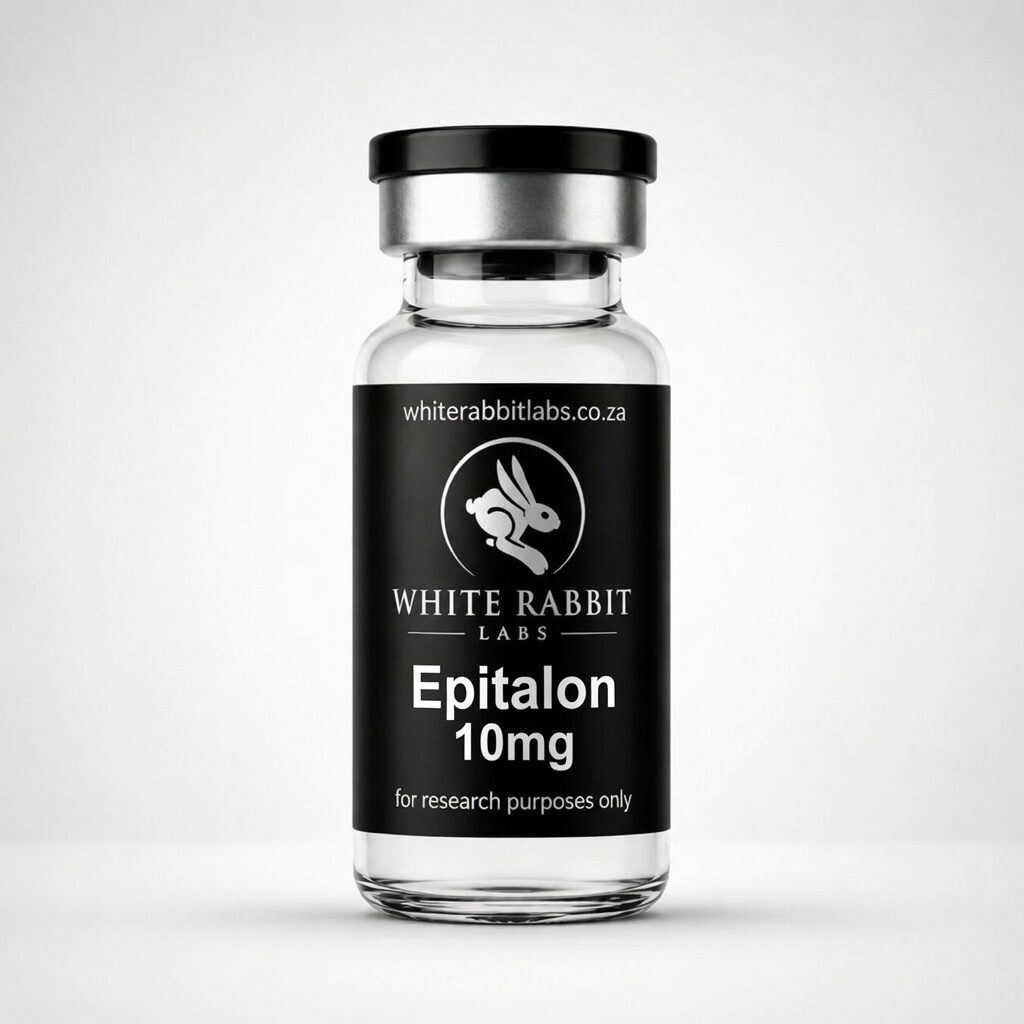
Epitalon 10mg
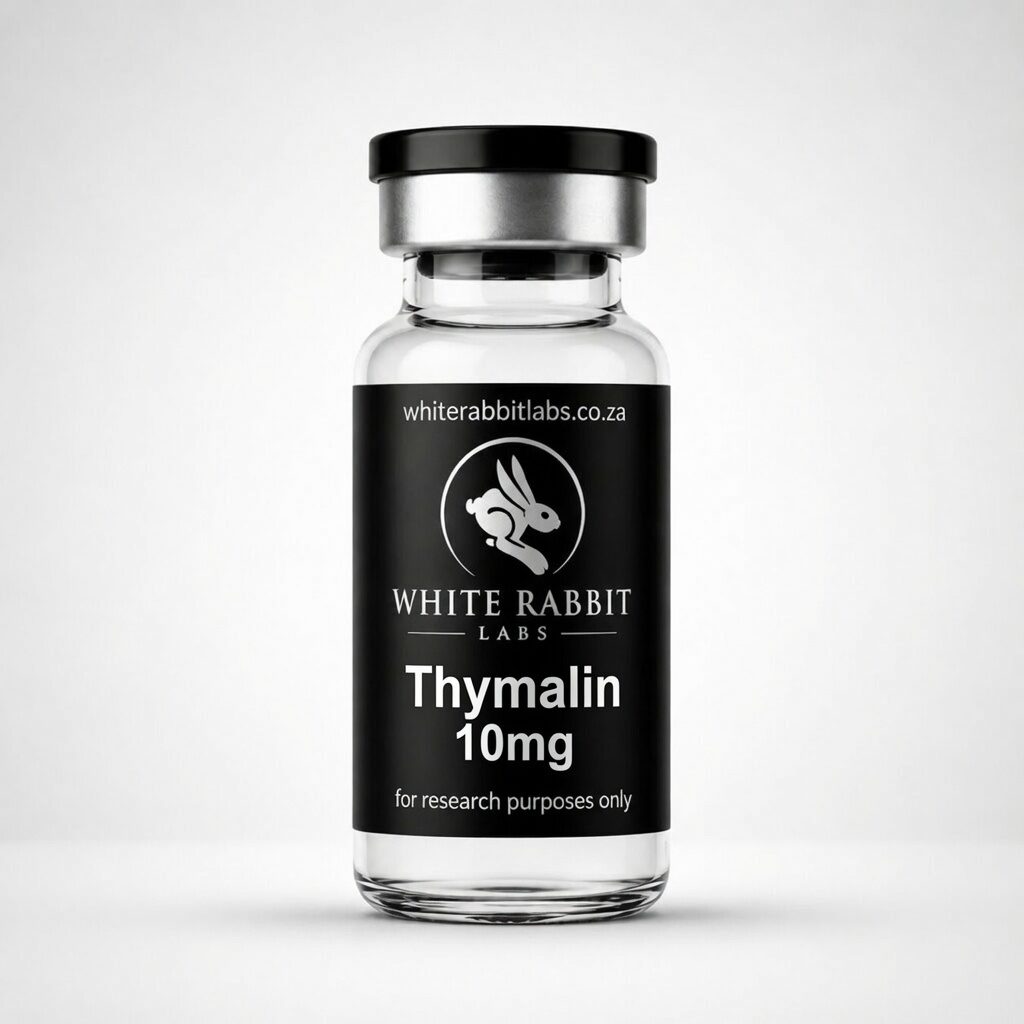
Thymalin 10mg
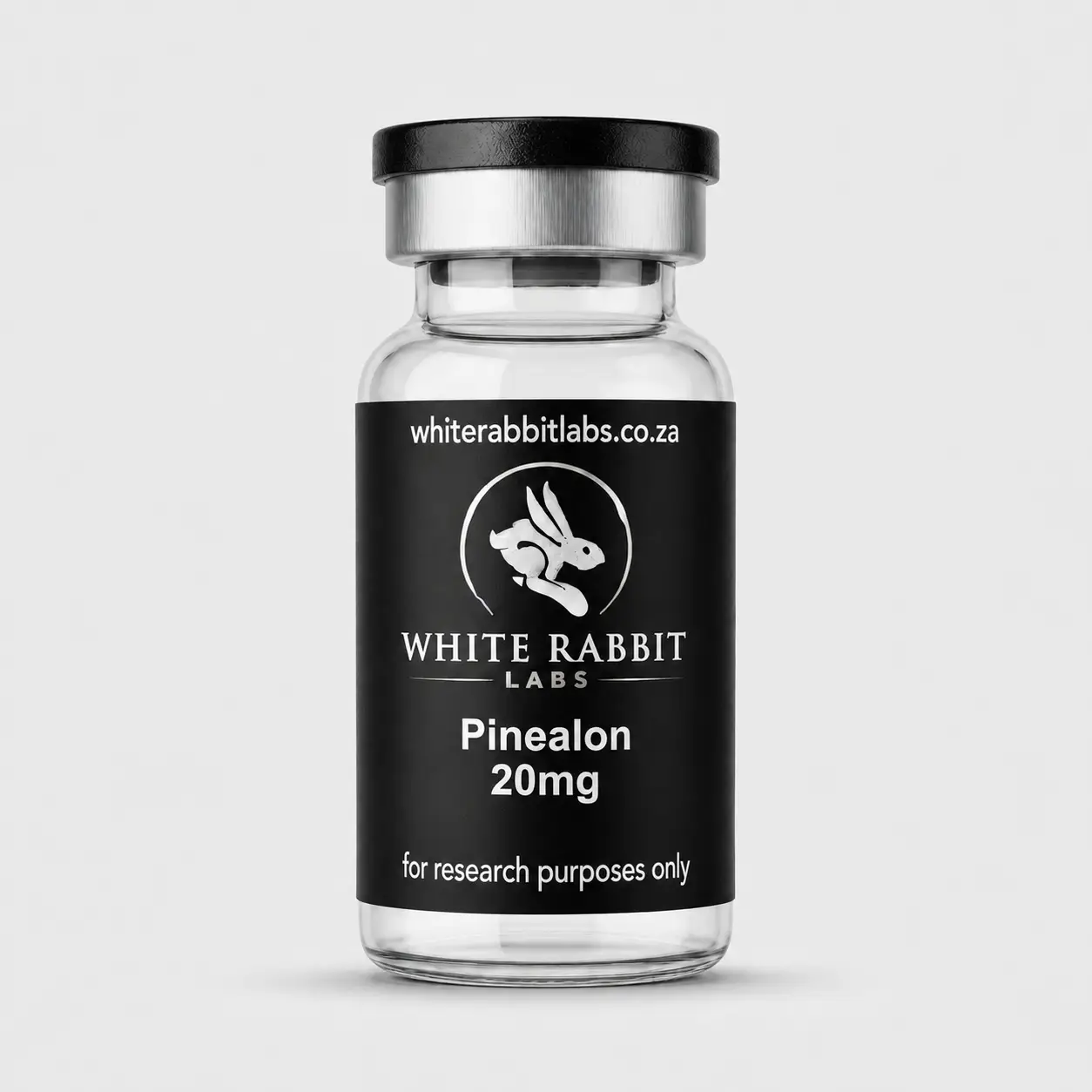
Pinealon 20mg
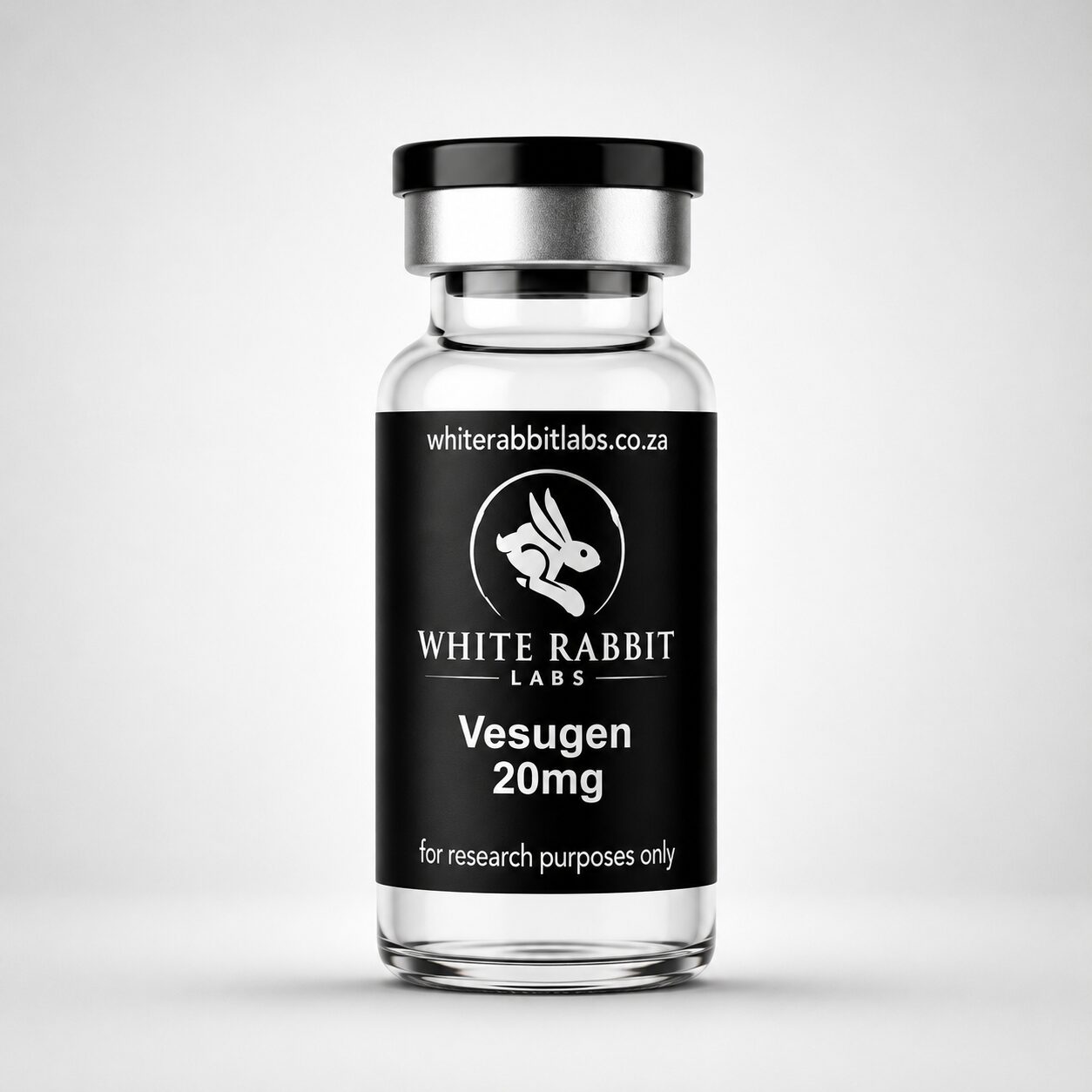
Vesugen 20mg
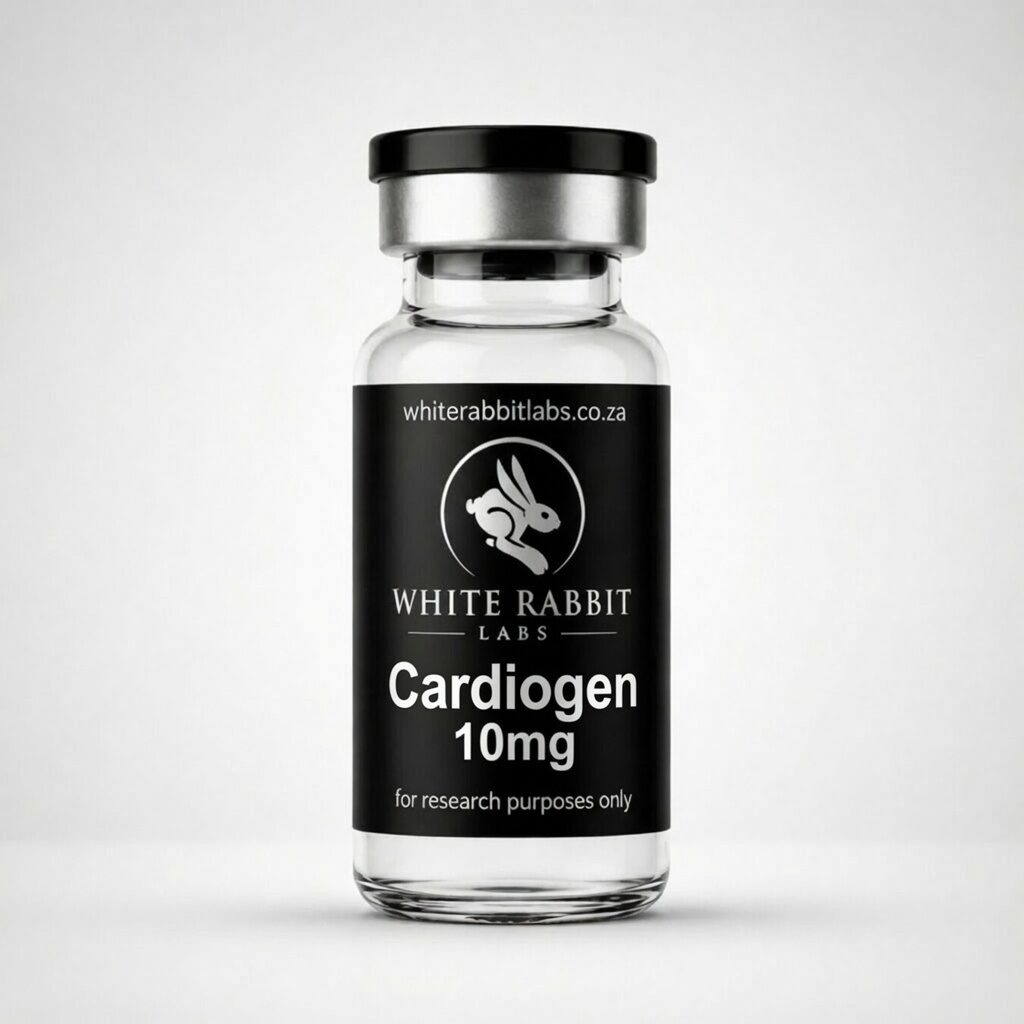
Cardiogen 20mg
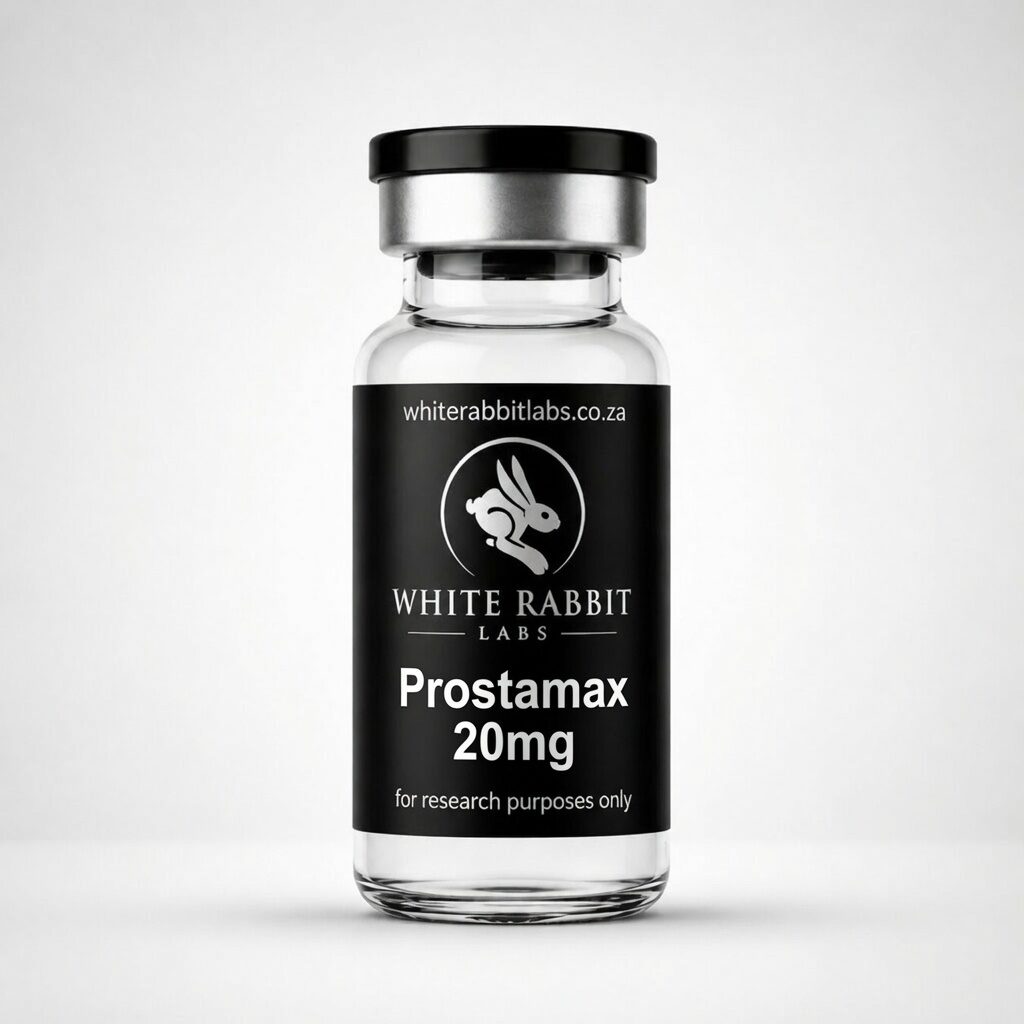
Prostamax 20mg
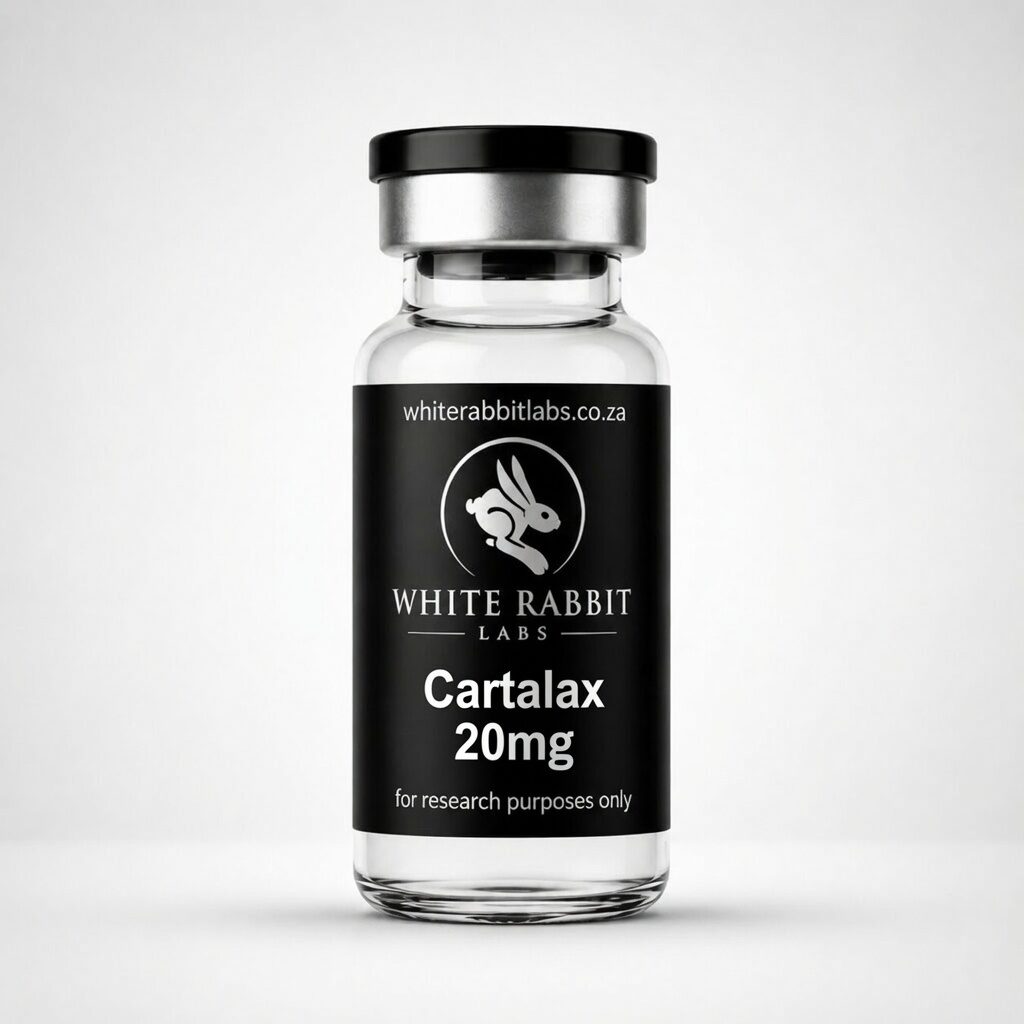
Cartalax 20mg
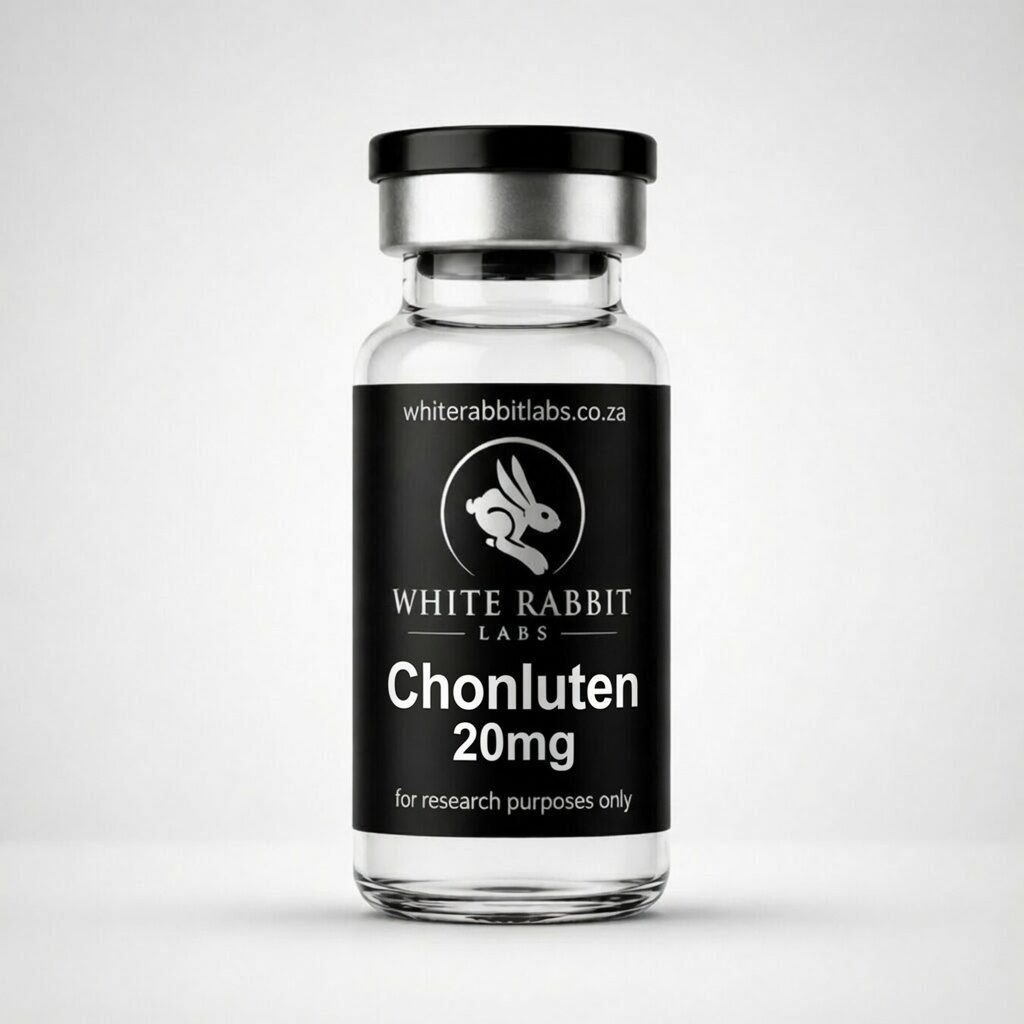
Chonluten 20mg
8 catalogue entries
Continue exploring
Educational information, reviewed 3 November 2026. Not medical advice. Research catalogue products are not intended for human or animal consumption. Consult a qualified healthcare professional about symptoms and treatment.