Alcohol-induced damage.
Understand the research.
Explore glutathione, peptide research and cellular metabolism. See what has been studied in people, what remains experimental, and where the evidence stops.
Explore the researchStart with the right question.
“Does this affect a cell pathway?” and “Does this repair an organ in a person?” are different questions. The studies below help separate possible mechanisms from demonstrated clinical outcomes.
Think “cellular strain.”
Glutathione research examines antioxidant systems and alcohol metabolism. A change in a blood marker does not automatically mean less tissue damage.
Think “different pathways.”
Mitochondrial and tissue-culture studies explore particular biological processes. Their results depend on the compound, model and type of injury tested.
What does each study show?
Choose a compound, then expand the limitation to put the findings in context.
Alcohol metabolism and hangover scores
A randomised, double-blind crossover trial tested a yeast extract containing glutathione after an alcohol challenge. Acetaldehyde levels were lower than with placebo, but the questionnaires did not show a significant improvement in hangover symptoms.
What does this not establish?
This was an acute oral yeast-extract study. It did not test a research injectable, chronic liver disease, kidney recovery or reversal of organ damage.
Experimental tissue protection
Researchers reported protective effects in a severe alcohol-injury rat model, including changes in gastric and other organ lesions. This is preclinical evidence, not a human recovery trial.
What does this not establish?
The experimental model is very different from years of drinking in a person. It does not establish that BPC-157 repairs alcohol-related liver or kidney disease in people.
Cell-level liver research
An organotypic liver-culture study reported changes in structural and functional characteristics after exposure to Livagen. The work concerns tissue in a laboratory model.
What does this not establish?
This study does not demonstrate restored liver enzymes, kidney filtration or recovery after chronic alcohol exposure in humans.
Mitochondria and liver injury
A study of liver ischaemia-reperfusion injury found that SS-31 reduced markers of oxidative stress, inflammation and injury in experimental models.
What does this not establish?
Ischaemia-reperfusion means interruption and restoration of blood supply. It is not alcohol-related liver disease, so these findings cannot be treated as proof of alcohol-damage repair.
Energy metabolism and liver regeneration
Researchers studied nicotinamide, a vitamin B3 form and NAD+ precursor, in alcohol-exposed and partial-hepatectomy mice. They reported improvements in metabolic and liver-injury measures.
What does this not establish?
The intervention was nicotinamide, not the NAD+ vials in the catalogue. Mouse findings do not establish an effective human treatment or dosing protocol.
One blend is not
one body of evidence.
What about KLOW?
The supplier lists KLOW as GHK-Cu, BPC-157, TB-500 and KPV. Evidence about an individual ingredient cannot establish the safety or effectiveness of the four-part blend for alcohol-induced liver or kidney damage. No clinical trial of that blend for this purpose is linked here.
Does Livagen repair kidneys?
The cited Livagen study concerns rat liver tissue culture. It does not test kidney filtration or prove that Livagen repairs alcohol-related kidney disease.
Can these compounds be combined for recovery?
The studies above do not test the proposed multi-compound combination. Their findings cannot supply a validated combination, treatment schedule or expected recovery outcome.
A separate research direction.
MOTS-c appears in the related metabolic catalogue. The studies linked on this page do not demonstrate that it repairs alcohol-induced liver or kidney damage.
Check the exact intervention.
NAD+ is a coenzyme, not a peptide. A study using an NAD+ precursor cannot be presented as a trial of an injectable NAD+ product.
Original article
Archived wording from the 3 November WordPress export. The research summaries above provide context for the historical claims.
Read the original Alcohol Induced Damage article
ALCOHOL INDUCED DAMAGE?
Restore Your Liver & Kidneys: Peptides That Repair Alcohol-Induced Damage
Long-term drinking can cause serious stress on your liver and kidneys — leading to inflammation, oxidative damage, toxin buildup, and reduced organ function. The good news? Targeted peptides can help your body heal at the cellular level, support detoxification, reduce inflammation, and promote real regeneration.
Here’s exactly what each one does:
Glutathione – Master Detoxifier & Liver Protector/ Powerful Liver Support for Those Who Drink Alcohol
Alcohol hits your liver hard — and one of the first things it does is deplete your glutathione levels. Glutathione (GSH) is your body’s master antioxidant and detoxifier. When you drink, your liver uses up glutathione to break down the toxic byproduct of alcohol called acetaldehyde — the main culprit behind hangovers, nausea, tiredness, and long-term liver stress. Recent human studies show that boosting glutathione can help lower acetaldehyde levels in the blood and support faster recovery after drinking.
How Glutathione Helps With Alcohol-Related Issues:
Neutralizes the Hangover Toxin — Binds to acetaldehyde and helps flush it out faster so you feel better sooner.
Fights Oxidative Stress — Alcohol creates free radicals that damage liver cells and mitochondria. Glutathione mops them up.
Replenishes What Alcohol Depletes — Regular or heavy drinking rapidly drains your natural glutathione stores — replenishing it gives your liver the backup it needs.
Supports Liver Detox & Recovery — Helps your liver process alcohol more efficiently and protects against buildup over time.
Many people who drink socially notice they wake up clearer, less inflamed, and with more energy when they support their glutathione levels around drinking nights.
Glutathione supports your body’s natural defenses — it is not a green light to drink more or a cure for heavy drinking. The best liver protection is always moderation. For serious alcohol use, existing liver concerns, or any medical condition, please work with a qualified doctor and get proper testing. These are research peptides for educational and wellness support purposes only. These statements have not been evaluated by the FDA and are not intended to diagnose, treat, cure, or prevent any disease.
KLOW Blend – Advanced Healing & Anti-Inflammatory Support
This multi-peptide formula (BPC-157 + TB-500 + GHK-Cu + KPV) is excellent for alcohol-related damage. BPC-157 is especially powerful for protecting the liver and repairing the gut lining, while reducing inflammation throughout the body. TB-500 and GHK-Cu accelerate tissue repair and improve organ resilience.
Livagen – Khavinson Liver Bioregulator
A specialised peptide that works at the DNA level to normalise liver cell function. It helps restore healthy liver enzyme levels, supports regeneration of liver cells, and improves overall liver performance after years of alcohol exposure. This targeted bioregulator helps protect and repair kidney tissue, improves filtration function, and reduces inflammation caused by alcohol. It supports the kidneys’ natural ability to clear toxins and maintain long-term health.
SS-31 – Mitochondrial Repair for Lasting Organ Recovery
Alcohol heavily damages the mitochondria in liver and kidney cells. SS-31 goes directly into the mitochondria to repair them, boost energy production (ATP), and protect against further cell death — helping both organs function better and heal faster.
When combined, these peptides address the main drivers of alcohol-induced damage: oxidative, inflammation, mitochondrial dysfunction, and tissue injury.
Strong additions to consider stocking:
Standalone BPC-157 (one of the absolute best single peptides for liver protection and healing). BPC-157 speaks for itself. We don’t need to spice it up.
NAD+ (helps restore cellular metabolism and energy after chronic alcoholuse)
MOTS-c (extra mitochondrial + metabolic recovery support)
Ready to support your body’s natural recovery?
Shop our Organ Repair & Liver/Kidney peptides now and start feeling the difference...
SHOP OUR COLLECTION
Explore the catalogue.
Read each product’s information here on EDU. Select Buy this product to open its original White Rabbit Labs product page in a new tab. Supplier listings below are for research reference, not proven treatments for alcohol-related organ damage.
Affiliate disclosure: we may earn commission on qualifying purchases by newly referred customers. Purchase buttons use our affiliate link to the original product. Orders, payments and delivery are handled by White Rabbit Labs.
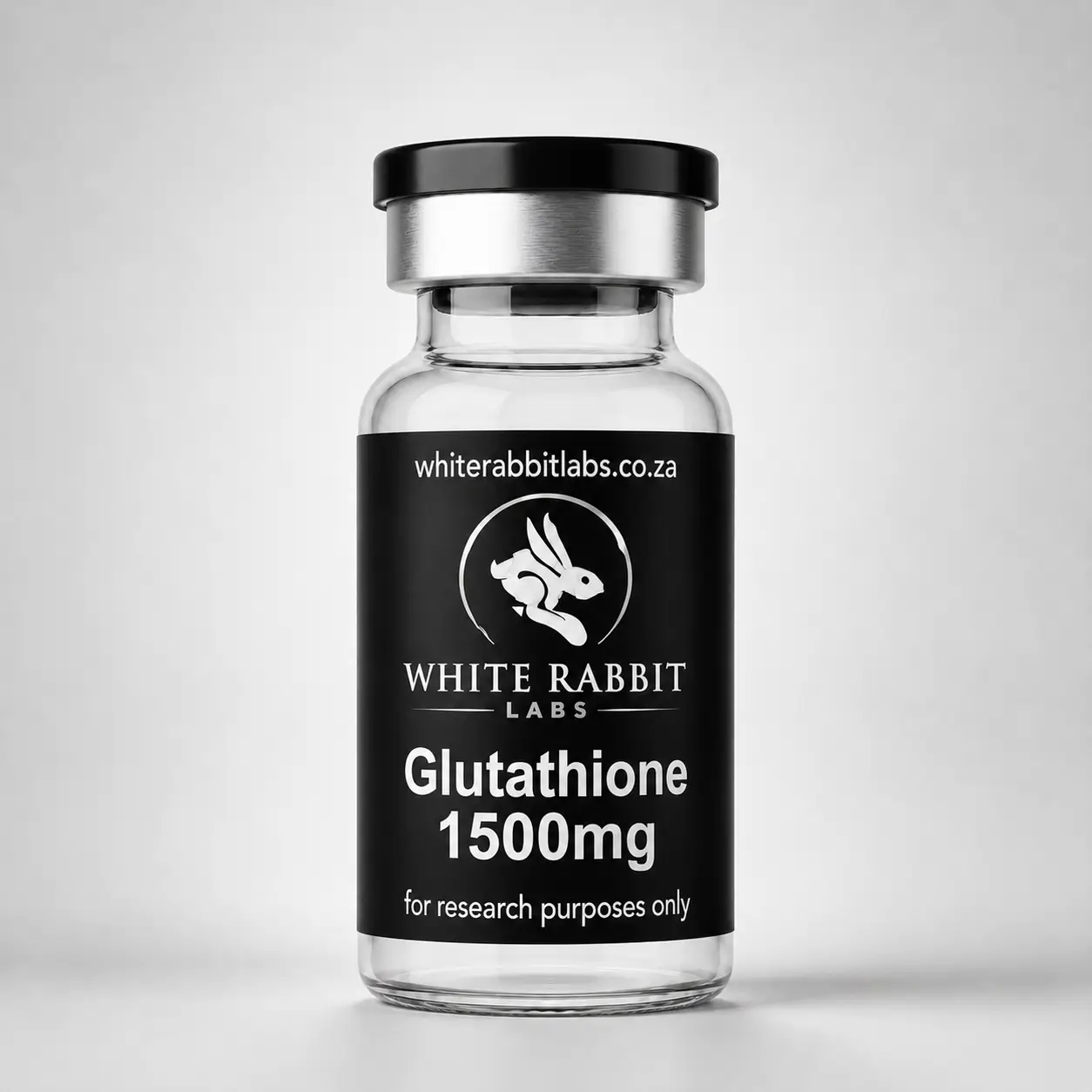
Glutathione 1500mg
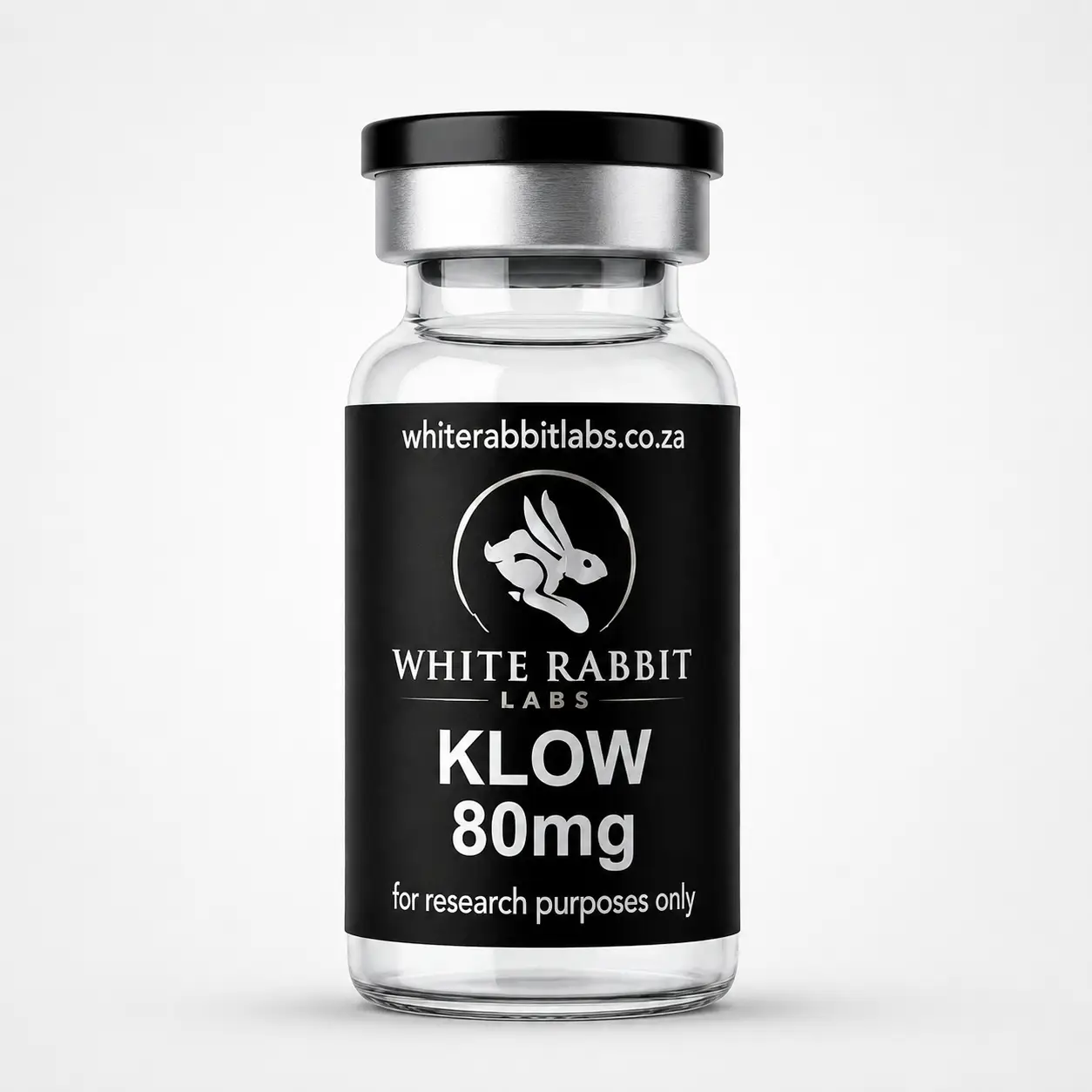
KLOW 80mg (GHK-CU 50mg, BPC 10mg, TB500 10mg, KPV 10mg)
Livagen 20mg
SS-31 50mg
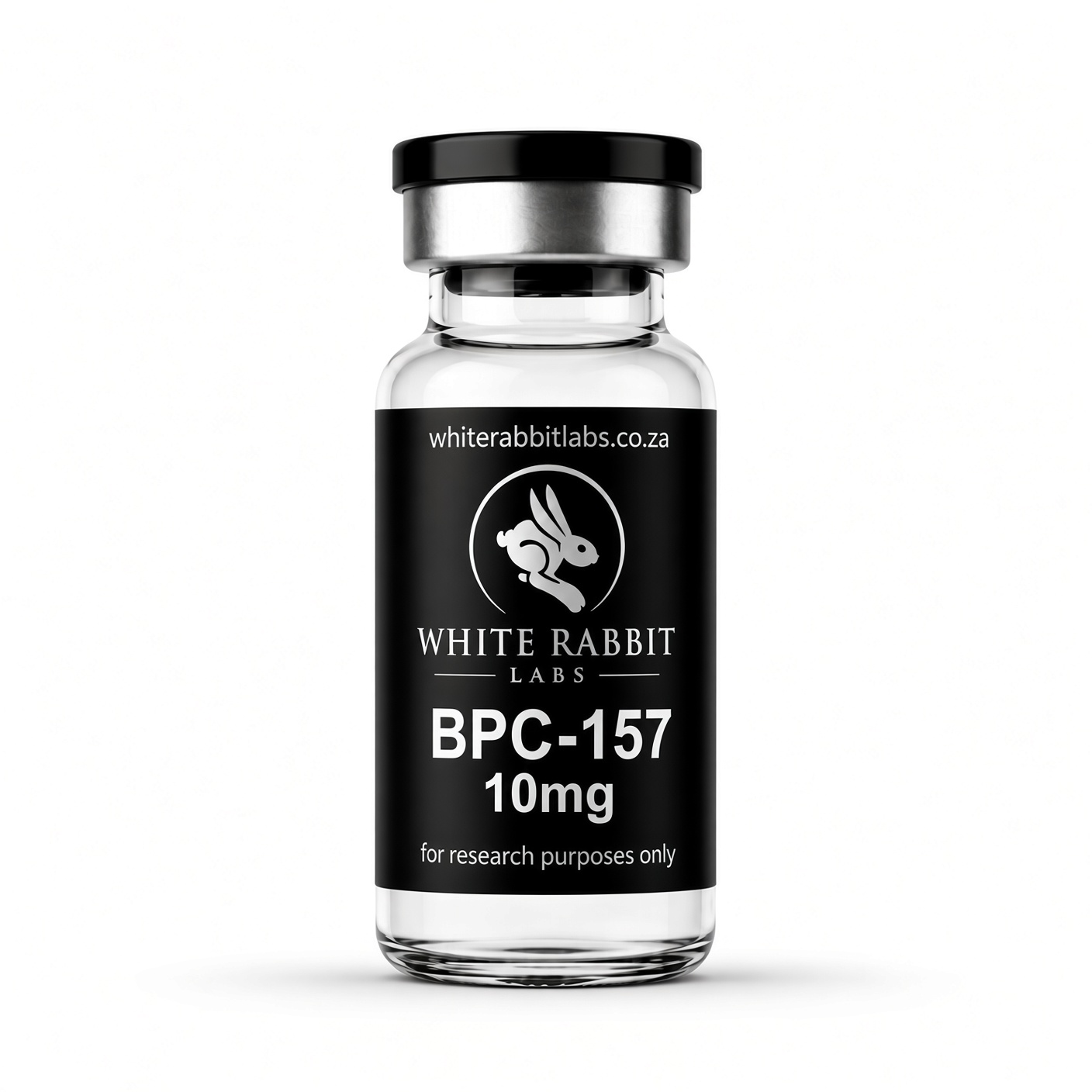
BPC-157 10mg
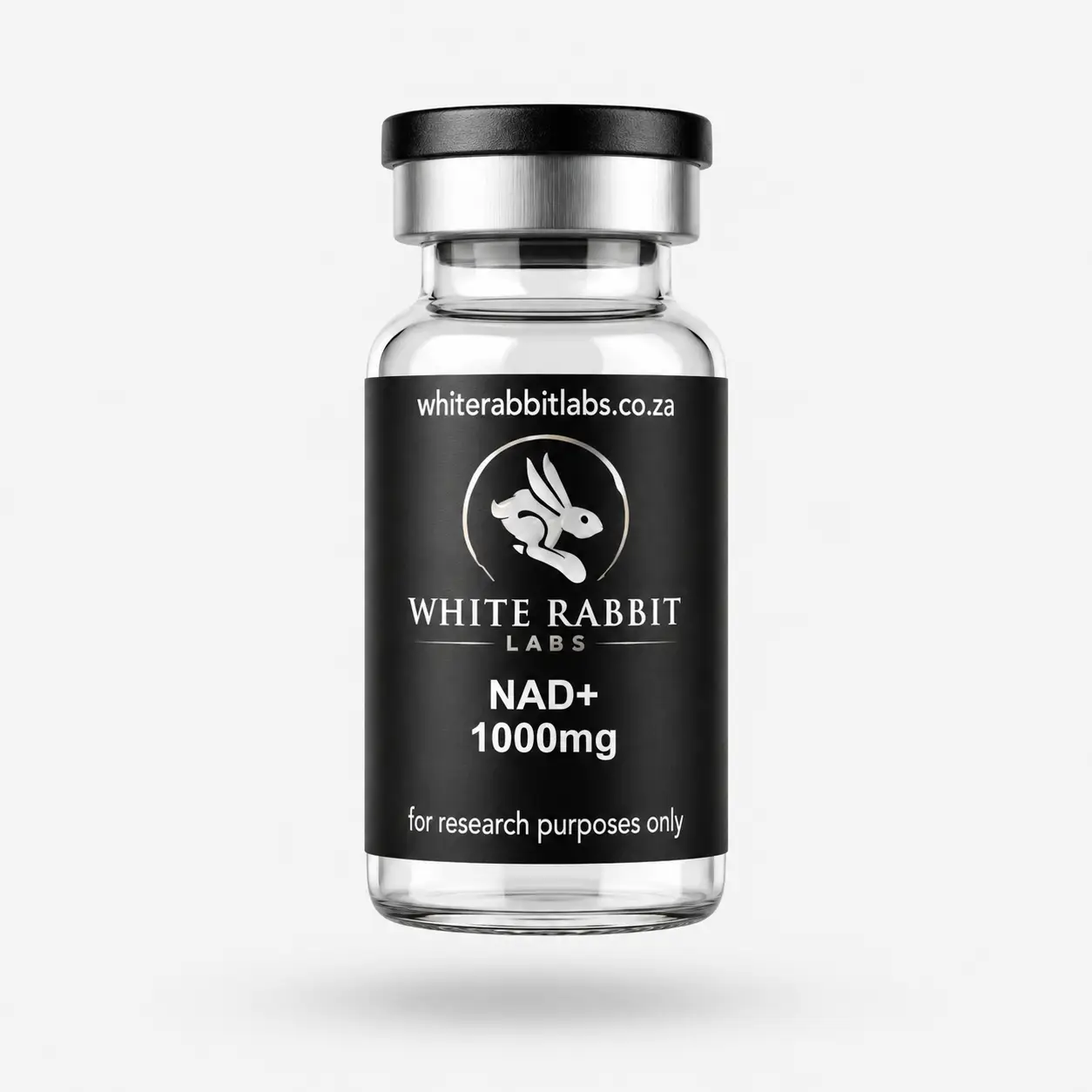
NAD+ 1000mg
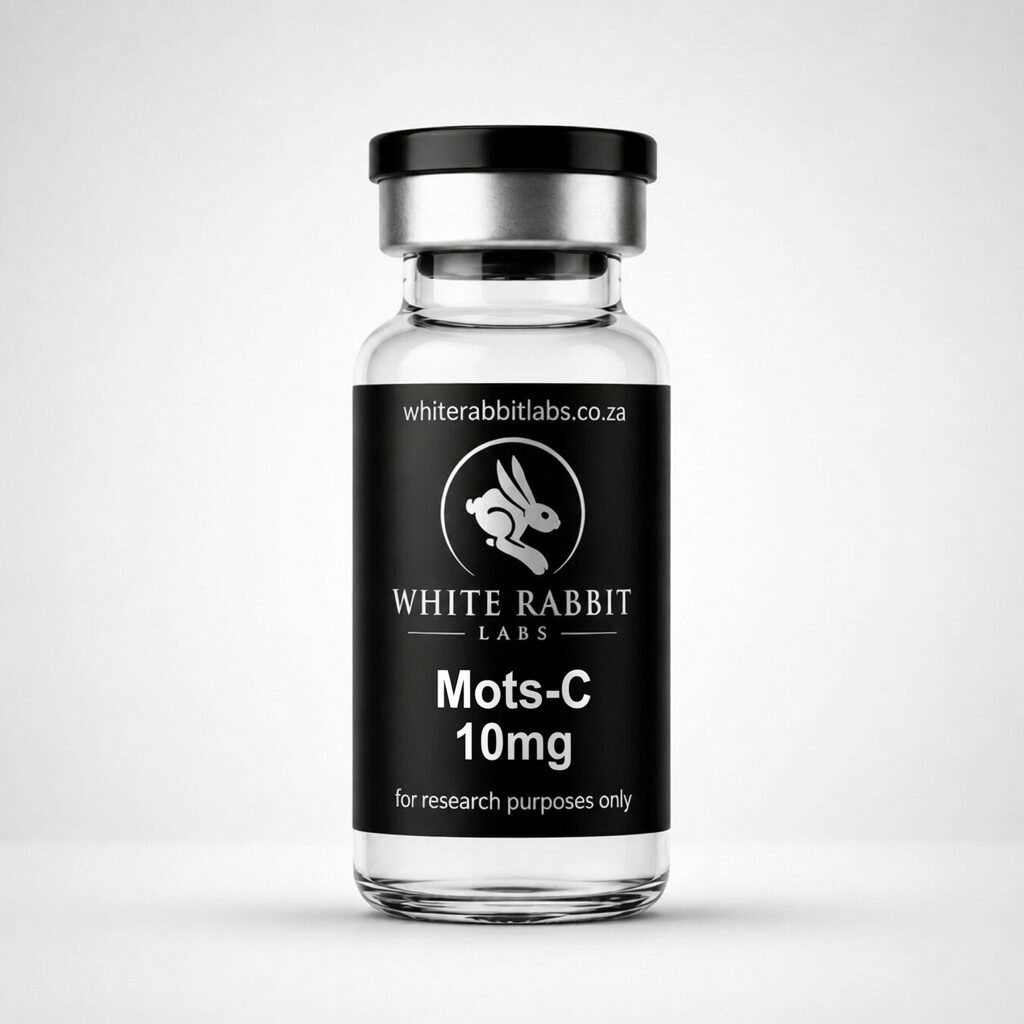
Mots-C 10mg
7 catalogue entries
Continue exploring
Educational reference, reviewed 3 November 2026. Not medical advice. Research catalogue products are not intended for human or animal consumption. Confirm current product specifications and availability with the supplier.