Finding calm.
Understanding mood.
Exploring the evidence.
Take a closer look at peptide research into anxiety, depression and brain function—with clear explanations of what each study can tell us.
Explore the researchStart with understanding.
Anxiety and depression can affect sleep, concentration, motivation and everyday life. Research into brain signalling and cellular function is opening new questions, but promising mechanisms are only the beginning of the evidence.
This page explores seven compounds that appear in mood, cognition or neuroplasticity research. Those are related subjects, but a memory result does not demonstrate an antidepressant effect.
If symptoms persist or interfere with daily life, a qualified mental-health professional can help you assess them and discuss established care. Research compounds should not replace prescribed treatment or be used to manage medication withdrawal.
Different questions. Different evidence.
PE-22-28
TREK-1 SIGNALLINGPE-22-28 is a shortened spadin-related peptide investigated for its effects on the TREK-1 potassium channel.
What does the research show?
A 2017 study found TREK-1 inhibition, antidepressant-like behavioural changes and neurogenesis-related findings in preclinical models. These results do not establish a rapid antidepressant effect, better sleep or freedom from dependency in people.
Selank
ANXIETY RESEARCHSelank is a synthetic peptide related to tuftsin, studied in anxiety and stress-related research.
What does the research show?
A 2008 study compared Selank in 30 patients with medazepam in 32 patients with generalised anxiety disorder or neurasthenia. It reported similar anxiolytic effects, with additional findings for asthenia. A small comparative trial cannot establish broad effectiveness or a guarantee of no sedation, interactions or dependency.
Semax
BDNF & COGNITIVE SIGNALLINGSemax is an ACTH-fragment analogue investigated in neurobiology. BDNF and its receptor TrkB are among the pathways studied.
What does the research show?
A 2006 rat study measured changes in hippocampal BDNF and TrkB signalling and a learning task. This is not a human depression trial and does not demonstrate improved motivation or recovery from a mood disorder.
Cerebrolysin
NEUROLOGICAL & ADJUNCTIVE MOOD RESEARCHCerebrolysin is a porcine brain-derived peptide and amino-acid preparation. It should not be described simply as a vial of brain growth factors.
What does the research show?
Human research includes neurological populations and small adjunctive studies of late-life depression. These findings need their clinical context; they do not establish a general treatment for anxiety or depression. A supplier’s 60mg research listing cannot be assumed equivalent to the clinical preparations used in trials.
NAD+
CELLULAR ENERGY METABOLISMNAD+ is a coenzyme, not a peptide. It participates in cellular energy pathways and maintenance processes.
What does the research show?
A human infusion pilot measured NAD+ metabolites in blood and urine. It did not test whether NAD+ treats depression, relieves anxiety or restores motivation. A biological role in energy metabolism is not proof of a mood benefit.
Dihexa
HGF/C-MET & SYNAPTIC RESEARCHDihexa is an experimental angiotensin-derived compound investigated for signalling through the HGF/c-Met system.
What does the research show?
Preclinical work studied synaptic structures and spatial learning in a rat impairment model. These are cognition findings, not evidence of benefit for long-standing depression or anxiety. Human safety and clinical effects remain uncertain.
P21
NEUROPLASTICITY & LEARNINGP21, also encountered as P021 in this research literature, is a neurotrophic peptide mimetic investigated in learning and neuronal plasticity models.
What does the research show?
A 2010 study explored learning, memory and neurogenesis in mice. It does not establish a human antidepressant or anti-anxiety effect. Check the exact sequence and formulation before treating a supplier name as the compound used in a paper.
Inside the studies.
62 participants, two active treatments.
Selank was compared with medazepam in patients with generalised anxiety disorder and neurasthenia. The study reported similar anxiety effects. Its size, comparator and mixed population limit how widely the results can be applied.
Read the published studyAntidepressant-like does not mean proven antidepressant.
The paper studied channel activity, mouse behavioural tests and markers related to neuronal growth. It did not test relief of depression in patients or establish faster clinical action than standard medicines.
Read the published studyA signalling result, not a mood outcome.
Semax changed BDNF/TrkB-related measurements in rats. The results help investigate mechanisms; they cannot tell us whether a person’s depression, anxiety or mental clarity will improve.
Read the published studyAdjunctive treatment in a defined population.
The study involved hospitalised adults aged 60 and older. It compared venlafaxine alone with combined treatment involving venlafaxine plus Cerebrolysin or carnicetine. It does not isolate a broad benefit for Cerebrolysin alone or justify extrapolation to all ages.
Read the published studyMetabolite measurements answer a different question.
Blood and urine measurements described how infused NAD+ was handled over time. Depression and anxiety treatment were not the outcomes tested.
Read the published studyClear questions make better reading.
Does “targeted” mean fewer side effects?
No. A proposed mechanism does not establish tolerability, interaction risks or long-term safety. Lack of reported side effects is different from a well-designed safety study.
Can these compounds replace prescribed medication?
The studies on this page do not support that conclusion. Changes to prescribed treatment, especially medicines associated with withdrawal, need a plan with the prescribing clinician.
Does the evidence support combining them?
Findings for individual compounds do not validate a combined mood or cognition protocol. Combinations may introduce interactions and make effects harder to interpret.
What does product purity tell me?
A verified batch analysis can help assess identity and purity. It does not establish clinical benefit, sterility, suitability for injection or long-term safety. Check the actual batch documentation rather than relying on a general percentage claim.
Original article
Archived wording from the 3 November WordPress export. The research summaries above provide context for the original claims.
Read the original Anxiety and Depression article
Feeling Anxious? Slightly Depressed?
The Peptide Revolution: Finding Calm, Clarity & Hope in the Battle Against Depression and Anxiety
Imagine waking up one morning and realizing the heavy fog has finally lifted. The constant racing thoughts have quieted. You feel… lighter. More like yourself again.
For millions of people living with depression and anxiety, this moment feels almost impossible. Traditional treatments help many, but they don’t work for everyone — and the side effects can sometimes feel as heavy as the condition itself.
Enter peptide therapy — a fascinating new frontier in mental wellness that’s capturing attention worldwide. These tiny chains of amino acids act as highly targeted messengers in the brain and body. Some show remarkable potential for supporting mood, reducing anxiety, boosting brain repair, and helping people feel more balanced and alive.
At our peptide shop, we’re proud to offer some of the most promising options backed by exciting research. Let’s explore the standouts for depression and anxiety:
PE-22-28: The Rapid Mood Reset Button
One of the most exciting peptides right now is PE-22-28. Derived from research on natural brain proteins, this peptide has demonstrated powerful antidepressant-like effects in studies — often faster than conventional medications.
It works by blocking specific channels in the brain linked to depressive states, while promoting neurogenesis (the growth of new brain connections). Researchers have noted it can reduce anxiety, improve mood regulation, support better sleep, and build emotional resilience — all without the sedation or dependency issues of many traditional options. If standard treatments haven’t clicked for you, PE-22-28 is generating serious buzz as a potential game-changer.
Selank: Calm Without the Cloudiness
If anxiety is your main battle, Selank might feel like a best friend to your nervous system. This synthetic peptide (developed from a natural immune compound) is renowned for its ability to dial down anxiety and stress without sedation or mental fog.
Key benefits people love:
• Strong anti-anxiety and anti-stress effects
• Improves focus and cognitive performance at the same time
• Helps regulate mood and emotional balance
Unlike many traditional anxiety medications, Selank doesn’t cause drowsiness or dependency in most reports. It’s popular for daily mental clarity with inner peace.
Semax: Sharpen the Mind, Lift the Spirit
Semax is the cognitive powerhouse that often pairs beautifully with mood support. It boosts levels of BDNF (your brain’s “fertilizer”) and offers both neuroprotective and mood-enhancing properties.
It may help with:
Mental clarity and motivation (fighting that “nothing matters” feeling)
Memory and learning
Mild antidepressant effects
Overall brain resilience during stressful times
Many users describe it as helping them “think clearly again” while slowly improving their emotional baseline.
Cerbrolysin: Growing a Healthier Brain from the Inside
Cerebrolysin is a unique blend of brain-derived neurotrophic factors with promising research showing benefits for anxiety, depression, and overall neurological recovery. It focuses on long-term brain health through neurogenesis and synaptic repair. By supporting the creation of new neural connections and protecting existing ones, it lays the groundwork for sustained mood improvement and cognitive recovery.
It’s especially interesting for those who want to acddress the structural changes in the brain that can accompany chronic depression and anxiety.
NAD+: Recharging Your Brain’s Energy Batteries
While not technically a peptide, NAD+ therapy is a perfect companion in modern peptide protocols. As we age or face chronic stress, our cellular energy (NAD+) drops — contributing to fatigue, brain fog, and low mood.
Restoring NAD+ levels can help:
• Boost mitochondrial energy in brain cells
• Improve mood stability and motivation
• Reduce anxiety symptoms
• Clear mental fog and support emotional resilience
Many people report feeling like their “spark” has returned after NAD+ support.
Dihexa:
Often called one of the most potent peptides for neuroplasticity. It supercharges the formation of new synaptic connections and is being researched for profound effects on memory, learning, and potentially long-standing mood disorders.
Why Peptides Feel Different
What makes these compounds special is their precision. Instead of broadly altering brain chemistry like many medications, peptides often work by supporting your body’s own repair and regulation systems — potentially leading to more natural, sustainable improvements with fewer side effects.
Important Disclaimer
Peptide therapy is an exciting and evolving field, but these are powerful research compounds. Results vary from person to person. They are not a replacement for professional medical care, therapy, or prescribed medications. Always work with a knowledgeable healthcare provider who understands peptide therapy before starting anything new. These statements have not been evaluated by the FDA, and products are sold for research purposes only.
Ready to Explore a New Path?
If you’re tired of feeling stuck and want to support your mental wellness at the cellular level, our carefully selected range of premium, high-purity peptides (with that trusted 97%+ testing you can count on) might be exactly what you’ve been looking for.
Browse PE-22-28, Selank, Semax, P21, NAD+, Dihexa, Cerebrolysin and more in our shop below:
Your journey toward a calmer, clearer, brighter mind starts here.
Read before you explore further.
View the full available supplier description on EDU. The separate purchase button opens that specific product on White Rabbit Labs in a new tab.
Affiliate disclosure: we may earn commission on qualifying purchases by newly referred customers. Orders, payments and delivery take place on White Rabbit Labs. These listings are not recommendations for treating anxiety or depression.
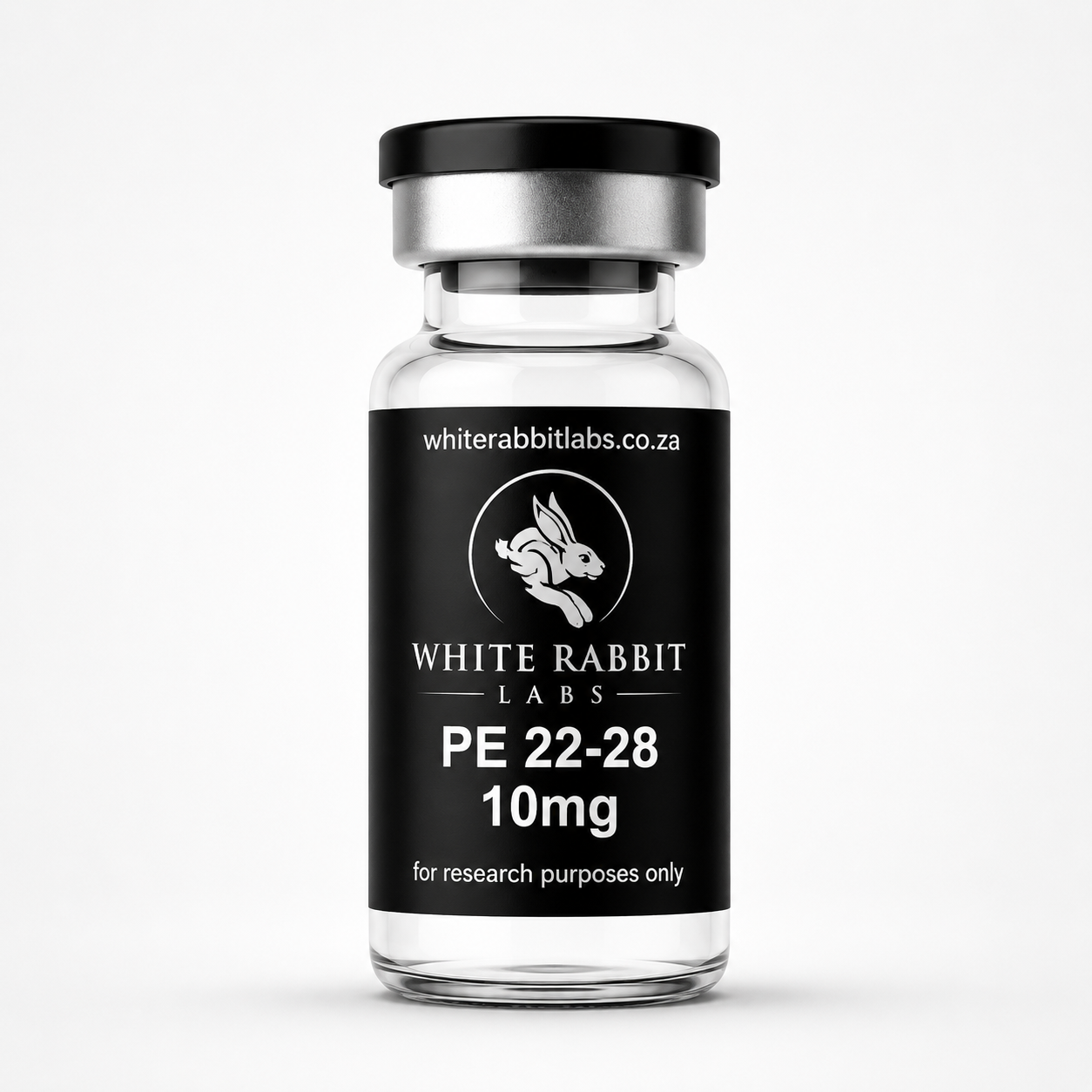
PE 22-28 10mg
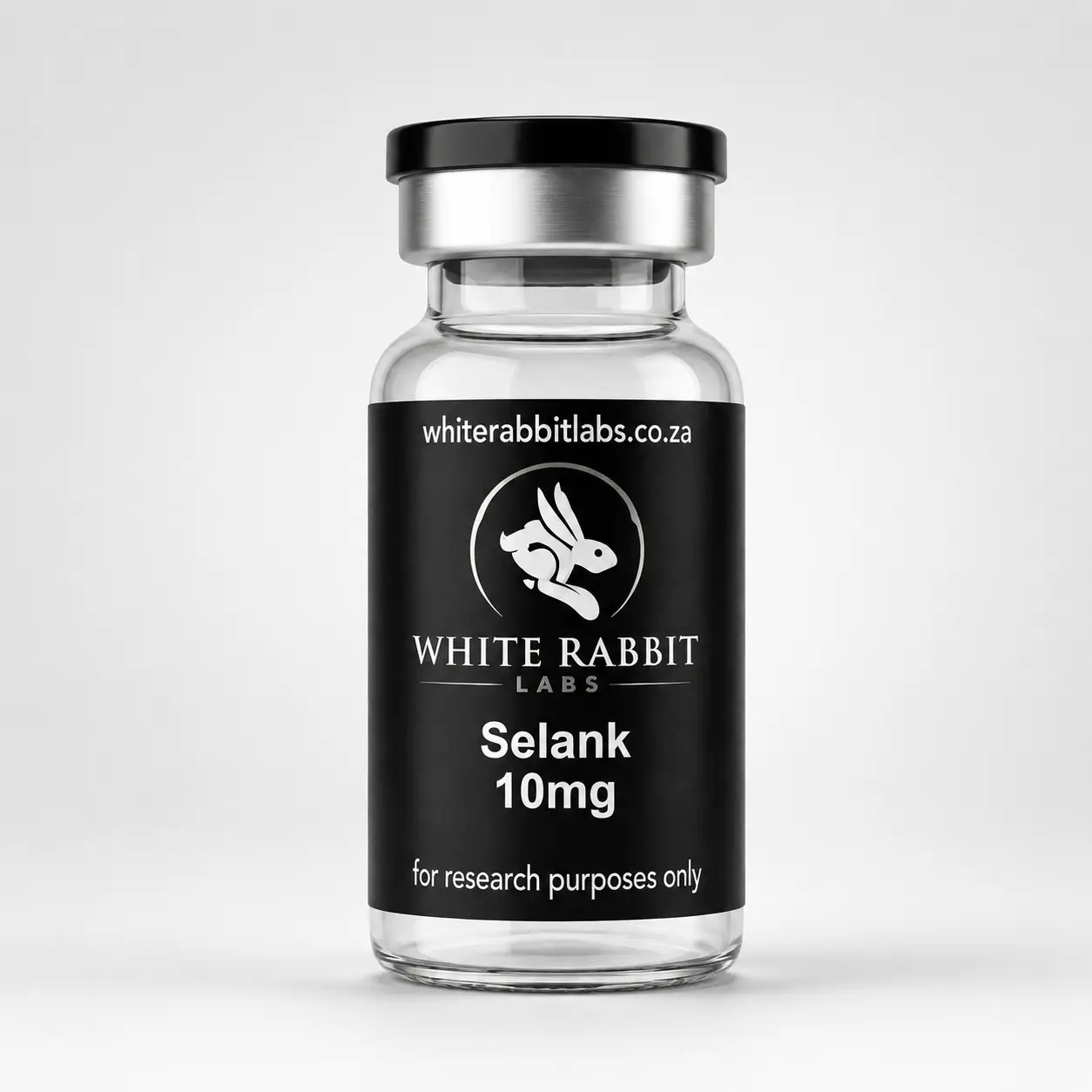
Selank 10mg
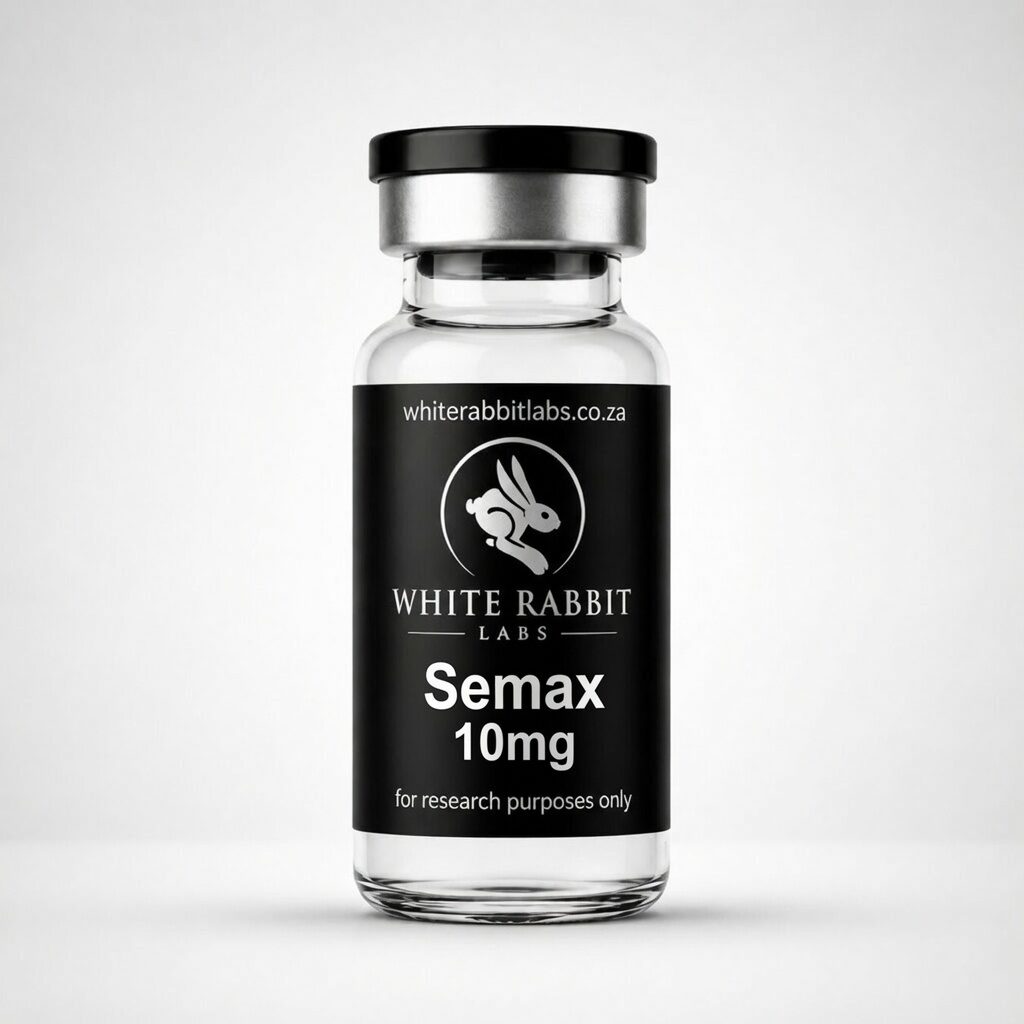
Semax 10mg
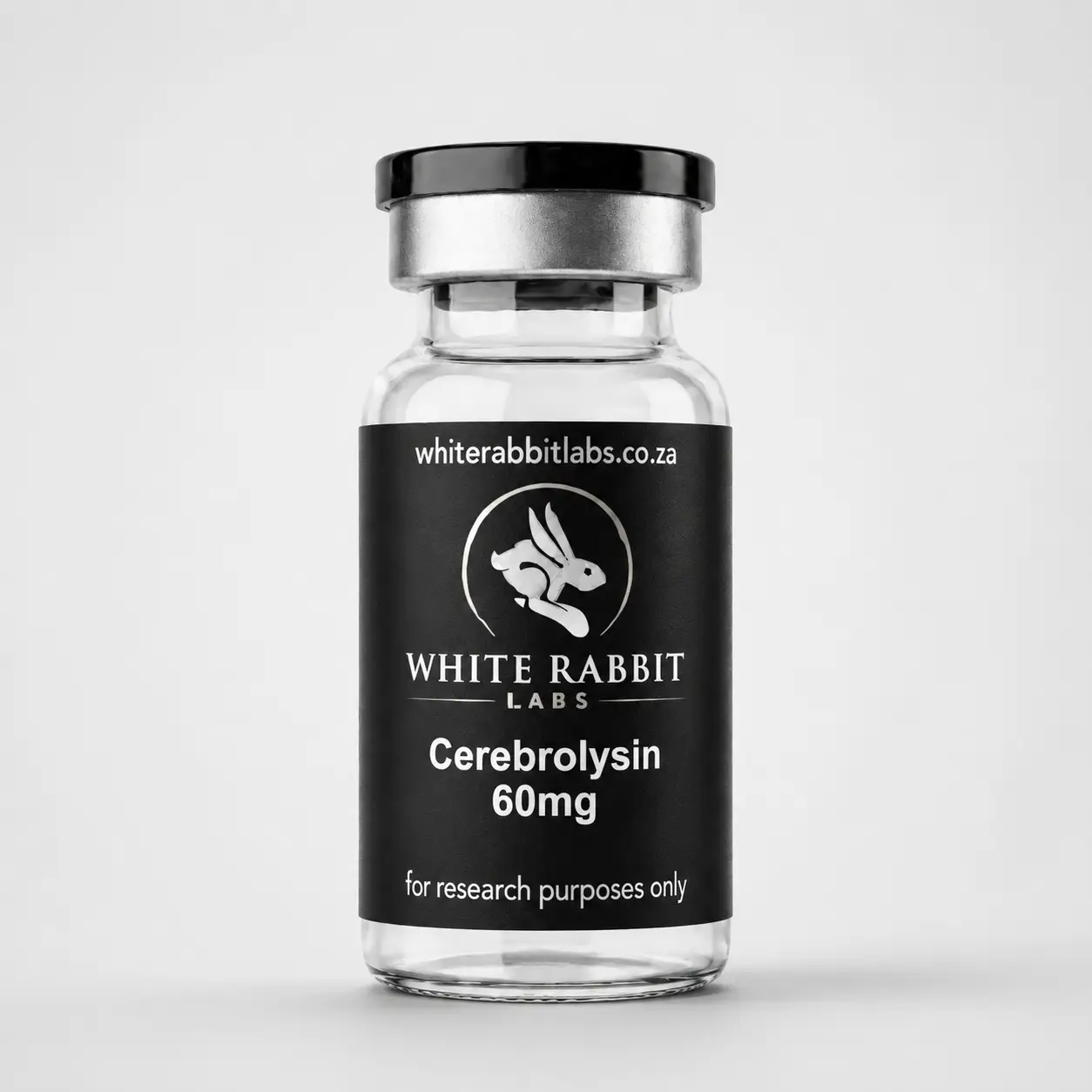
Cerebrolysin 60mg
NAD+ 1000mg
Dihexa 20mg
P21 10mg
7 catalogue entries
Continue exploring
Educational information, reviewed 3 November 2026. Not medical advice. Research catalogue products are not intended for human or animal consumption. Consult a qualified healthcare professional about symptoms and treatment.