Inside the cell.
Behind the energy.
Explore mitochondria.
Understand ATP production, mitochondrial signalling and the compounds researchers study—without turning a proposed stack into a proven protocol.
Explore the research areasTiny power plants.
More than a simple battery.
Mitochondria help convert nutrients and oxygen into usable cellular energy, including ATP. They also participate in stress responses and communication within cells.
Fatigue, brain fog and poor recovery have many possible causes. They do not by themselves diagnose mitochondrial dysfunction. An increase in a laboratory energy measurement is also different from feeling less tired or moving better.
Foundation, membrane function and energy signalling are useful themes for exploring the compounds below. They are not validated treatment phases, and the linked studies do not establish an order in which these products should be used.
Persistent or unexplained fatigue deserves clinical assessment. Research catalogue products are not substitutes for diagnosis, prescribed care or an individual treatment plan.
Five ways into the mitochondrial research.
KLOW blend
FOUNDATION: TISSUE-RELATED RESEARCHKLOW combines GHK-Cu, BPC-157, TB-500 and KPV in the supplier catalogue. Each ingredient has a different research background.
What does the research show?
A study of GHK-Cu in a mouse lung-injury model investigated oxidative and inflammatory pathways. It did not test KLOW as a mitochondrial foundation, prove improved human energy or establish that a blend prepares the body for SS-31. Ingredient findings cannot validate the combination.
CJC-1295 / ipamorelin blend
FOUNDATION: HORMONE SIGNALLINGCJC-related compounds and ipamorelin influence GH-release pathways. Hormone signalling is not the same endpoint as mitochondrial restoration.
What does the research show?
The often-cited CJC-1295 human trial used a long-acting formulation and measured GH and IGF-I increases. It did not test the No DAC/ipamorelin blend, measure a staged restoration protocol or establish improved sleep, mitochondrial biogenesis or freedom from feedback effects.
SS-31 / elamipretide
MITOCHONDRIAL MEMBRANE FUNCTIONElamipretide is a cardiolipin-binding compound investigated in mitochondrial function. SS-31 is a research name associated with this molecule.
What does the research show?
A 39-person older-adult trial found a short-lived change in one ATP-capacity measure, without improved fatigue resistance. In MMPOWER-3, 218 people with primary mitochondrial myopathy had no significant benefit on the primary walking-distance or fatigue outcomes. Neither trial validates a supplier vial or a required first repair phase.
MOTS-c
MITOCHONDRIAL-DERIVED SIGNALLINGMOTS-c is encoded within mitochondrial DNA and is investigated in metabolism and adaptation to stress.
What does the research show?
A study reported improved physical performance after MOTS-c administration in mice. Its human component measured naturally produced MOTS-c around exercise, rather than showing benefit from an administered product. It does not establish safe synergy with SS-31 or SLU-PP-332.
SLU-PP-332
ERR SIGNALLING & METABOLISMSLU-PP-332 is a synthetic ERR agonist, not a peptide. Exercise mimetic describes selected experimental pathways, not exercise in a pill.
What does the research show?
Mouse experiments found changes in energy expenditure, fatty-acid oxidation and fat accumulation. They do not establish clinical effectiveness, oral-tablet equivalence or the safety of adding it after a mitochondrial repair phase.
Inside the studies.
A biomarker change without a fatigue-resistance benefit.
In 39 older adults selected for lower mitochondrial function, a single elamipretide administration changed a measure of mitochondrial capacity shortly afterwards. The difference was not present at day seven, and fatigue resistance did not significantly improve.
Read the published studyThe primary outcomes were not met.
The 218-participant trial in primary mitochondrial myopathy tested 24 weeks of elamipretide. It did not significantly improve six-minute walking distance or the primary fatigue score versus placebo. This disease-specific result does not answer every mitochondrial question, but it matters when assessing claims.
Read the published studySeparate the two parts of the study.
Administered MOTS-c improved selected physical-performance outcomes in mice. Human volunteers were studied for changes in their own MOTS-c around exercise, not for the clinical effects of a catalogue product.
Read the published studyA pathway hypothesis in obesity models.
Investigators studied ERR activation in obese mice and reported metabolic changes. The findings do not establish an effective oral human formulation, a replacement for exercise or a validated combination with other compounds.
Read the published studyA hormone study, not a mitochondria-stack trial.
GH and IGF-I increased in healthy adults receiving long-acting CJC-1295. The study did not test CJC No DAC plus ipamorelin or the proposed KLOW, SS-31, MOTS-c and SLU-PP-332 sequence.
Read the published studyA logical story still needs a trial.
Must a foundation come before SS-31?
The linked studies do not establish that KLOW or a CJC/ipamorelin blend is required before SS-31. A mechanism-based sequence is a hypothesis, not evidence of better results.
Does SS-31 make later compounds safe?
No. A mitochondrial effect cannot be assumed to protect against adverse effects or interactions from another intervention. The proposed combination needs its own safety and effectiveness research.
Is more ATP the same as more energy in daily life?
No. A measured cellular or muscle ATP-capacity change and a meaningful change in fatigue or physical function are separate outcomes. The SS-31 trials illustrate this distinction.
Are there validated four-to-eight-week phases or cycles?
The studies presented do not validate those phases, the suggested waiting periods or an eight-to-twelve-week combination cycle. They are not included here as a self-use protocol.
What should persistent fatigue prompt?
Discuss the pattern, duration, sleep, medicines and associated symptoms with a qualified healthcare professional. The cause should be assessed before attributing symptoms to mitochondria or using catalogue claims as a treatment plan.
Original article

Mitochondrial Energy
Mitochondria Restoration Stack
Why Restoring Mitochondrial Function Is Important
Think of your mitochondria as the tiny power plants inside every cell. They turn food and oxygen into ATP—the energy currency your body uses for everything: thinking, moving, healing, sleeping, and staying young.
When these power plants run efficiently, you feel energetic, recover fast, burn fat well, and age more gracefully. But modern life (stress, poor sleep, toxins, aging, inflammation) damages them. This leads to:
• Constant fatigue and brain fog
• Slower metabolism and stubborn fat
• Higher risk of metabolic issues, heart problems, muscle loss, and neurodegenerative conditions
• Faster visible aging (wrinkles, weak recovery, low vitality)
Restoring mitochondrial function is like upgrading your entire cellular energy system. It’s foundational for longevity, performance, and feeling your best at any age. The good news? Targeted peptides can help repair, protect, and supercharge them when used in a smart “stacking” sequence.
The Smart Stacking Protocol:
Foundation First, Then Targeted Repair & Upgrade
This easy-to-follow approach uses KLOW + CJC/Ipamorelin blend as your daily foundation, then layers in SS-31 for direct mitochondrial repair, followed by MOTS-c + SLU-PP-332 to boost and expand function. The order matters: you prep the body and reduce stress first, fix the damaged engines next, then install high-performance upgrades.
Phase 1: Build the Foundation (KLOW + CJC/Ipamorelin Blend)
Start here for 4–8 weeks (or ongoing). These create a low-inflammation, repair-ready environment and support natural growth hormone (GH) pulses.
• KLOW Blend (GHK-Cu + BPC-157 + TB-500 + KPV)
This quad is your cellular “cleanup and repair crew.”
• GHK-Cu acts as a powerful antioxidant and gene regulator—reducing oxidative stress that harms mitochondria while promoting collagen and tissue renewal.
• BPC-157 and TB-500 speed up healing, lower inflammation, and protect tissues at a deep level.
Together, they dial down the “fire” (ROS and chronic inflammation) that damages mitochondria, setting the stage for real energy gains. Great for skin glow, joint comfort, and overall resilience too!
- CJC-1295 + Ipamorelin Blend Your natural GH optimizer. This duo gently stimulates your body’s own growth hormone release (without spikes or shutdown). Elevated GH and IGF-1 support better sleep, fat metabolism, muscle preservation, and—importantly—mitochondrial biogenesis (making new, healthy power plants). It also helps reduce oxidative stress inside cells.
Why together as foundation? They handle whole-body repair and metabolic support so your mitochondria aren’t fighting an uphill battle. Many users notice better energy, recovery, and skin within weeks.
Phase 2: Direct Mitochondrial Repair (Add SS-31)
Once the foundation is solid (after 2–4 weeks), introduce SS-31.
This is the “mechanic” peptide specifically designed for mitochondria. It travels straight to the inner mitochondrial membrane, binds to cardiolipin (a key fat that keeps the energy machinery stable), and:
• Dramatically lowers excess reactive oxygen species (ROS)
• Stabilizes the electron transport chain for smoother ATP production
• Protects against damage and improves overall mitochondrial efficiency
Use it before advancing to the next phase because you want clean, repaired engines before you “rev” them harder. Think of it as fixing leaky pipes before turning up the power.
Phase 3: Supercharge & Expand (Add MOTS-c + SLU-PP-332)
Now that mitochondria are protected and repaired, add these two for next-level performance. They act like an “exercise mimetic” upgrade—boosting metabolism and creating more power plants.
• MOTS-c
A natural mitochondrial-derived peptide (encoded in your mtDNA). It acts as a metabolic “tuner”:
• Activates AMPK (the cellular energy sensor)
• Improves insulin sensitivity, glucose handling, and fat burning
• Enhances mitochondrial respiration and physical endurance (especially helpful with age)
It helps your cells use energy more efficiently and fights age-related decline.
- SLU-PP-332
The “high-performance fuel mapper” and true exercise-in-a-pill compound. It activates ERR receptors (estrogen-related receptors) to:
• Trigger mitochondrial biogenesis (more and better mitochondria)
• Ramp up fatty acid oxidation (burns fat for fuel like intense training does)
• Improve metabolic flexibility and endurance capacity
Why add SS-31 first, then these two? SS-31 repairs and stabilizes the existing mitochondria so MOTS-c and SLU-PP-332 can safely amplify function and build new ones without overwhelming damaged systems. This sequence (foundation → repair → boost) maximizes results and minimizes any adaptation issues.
Pro Tips for Best Results
- Cycle thoughtfully (e.g., 8–12 weeks on, then maintenance or break).
• Pair with basics: quality sleep, resistance training, good nutrition, and stress management—these amplify everything.
• Stay consistent and track how you feel (energy, recovery, body composition).
This stacking approach turns mitochondrial restoration from a vague goal into a clear, powerful protocol. Many biohackers and longevity enthusiasts report sustained energy, better metabolism, faster recovery, and an overall “glow from within” when following a structure like this.
Important Note: These are research peptides for educational and informational purposes only. They are not FDA-approved for treating or preventing any disease. Always consult a qualified healthcare professional before starting any new regimen, especially if you have health conditions or take medications. Individual results vary.
When will you begin? See our range below...
Read the compound information.
View the full available supplier description on EDU. The separate purchase button opens that specific product on White Rabbit Labs in a new tab.
Affiliate disclosure: we may earn commission on qualifying purchases by newly referred customers. Orders, payments and delivery take place on White Rabbit Labs. These listings are not recommendations for treating fatigue or mitochondrial conditions.
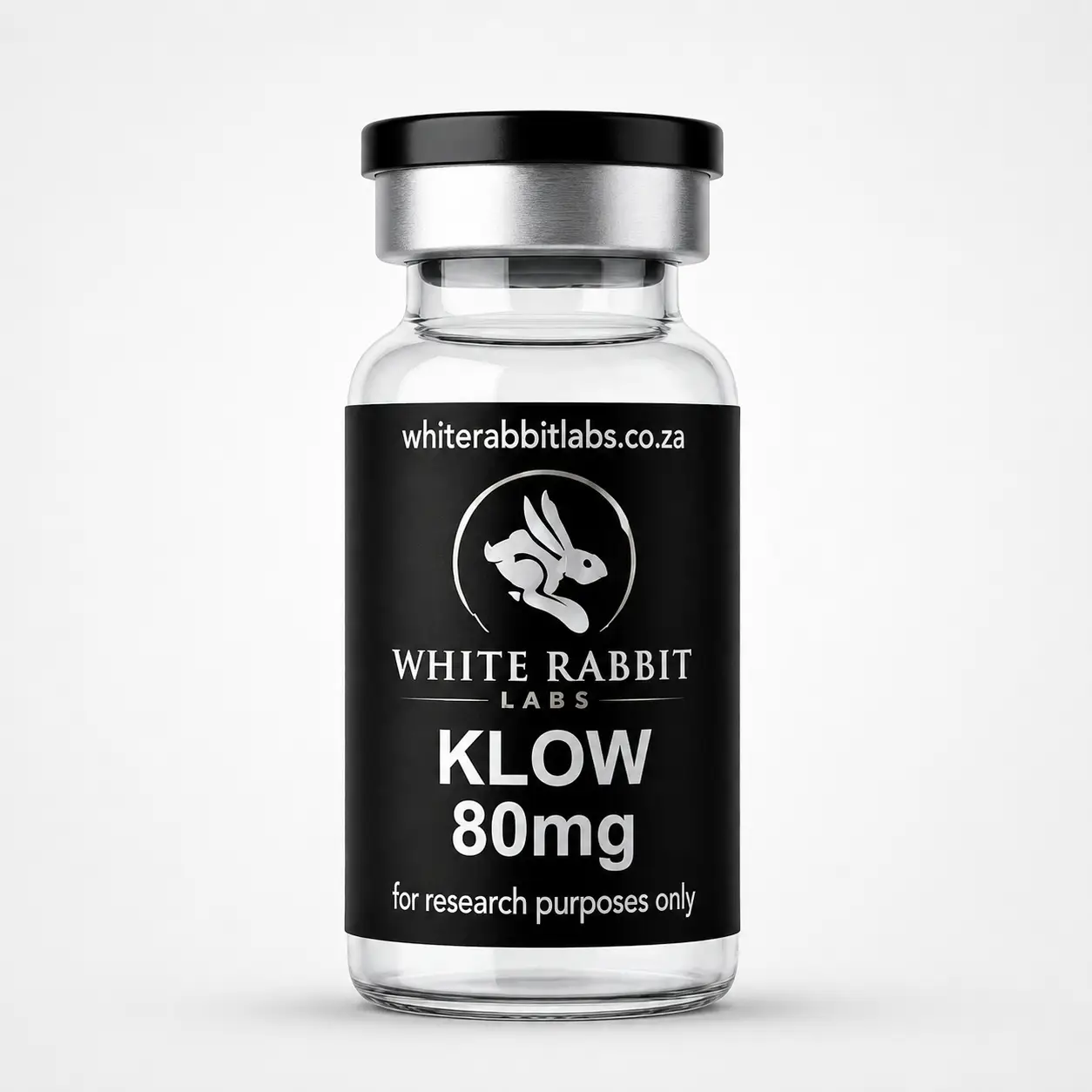
KLOW 80mg (GHK-CU 50mg, BPC 10mg, TB500 10mg, KPV 10mg)
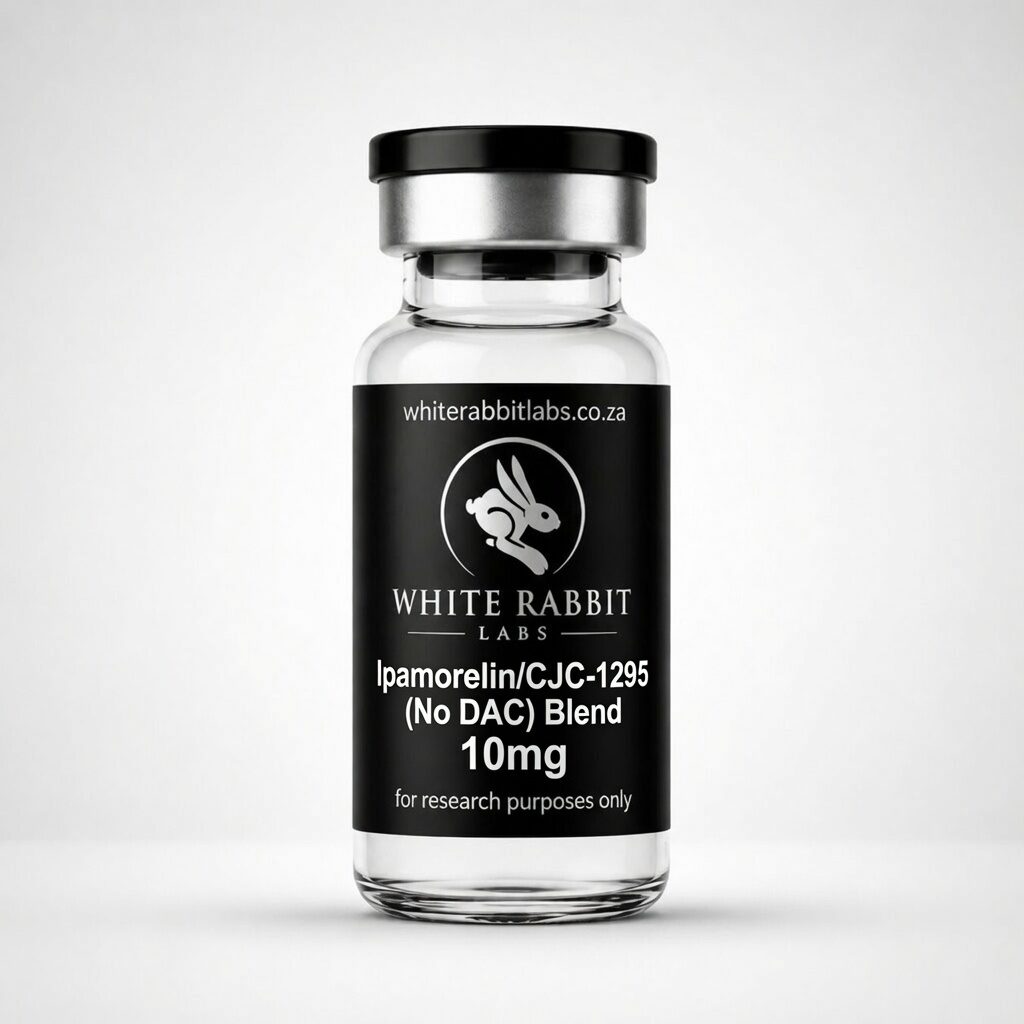
Ipamorelin/ CJC-1295 (No DAC) Blend 10mg
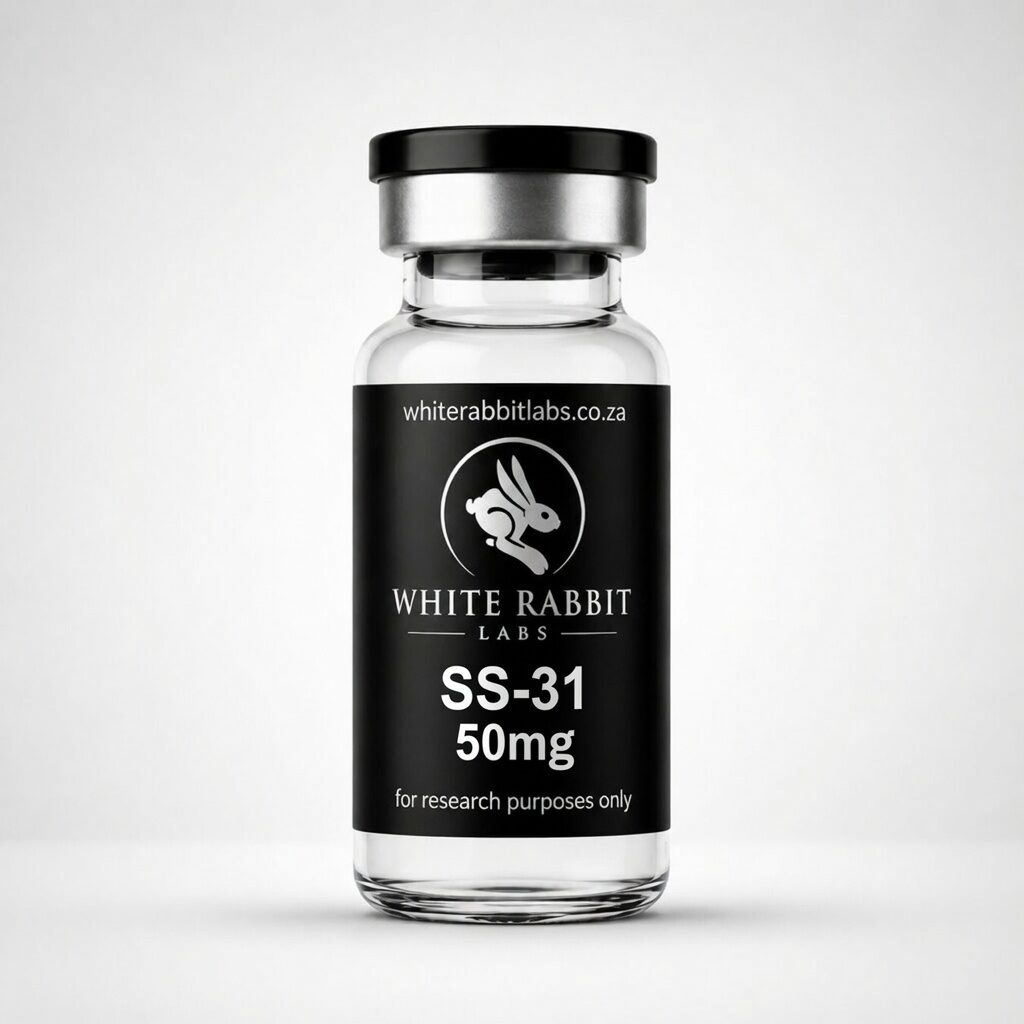
SS-31 50mg
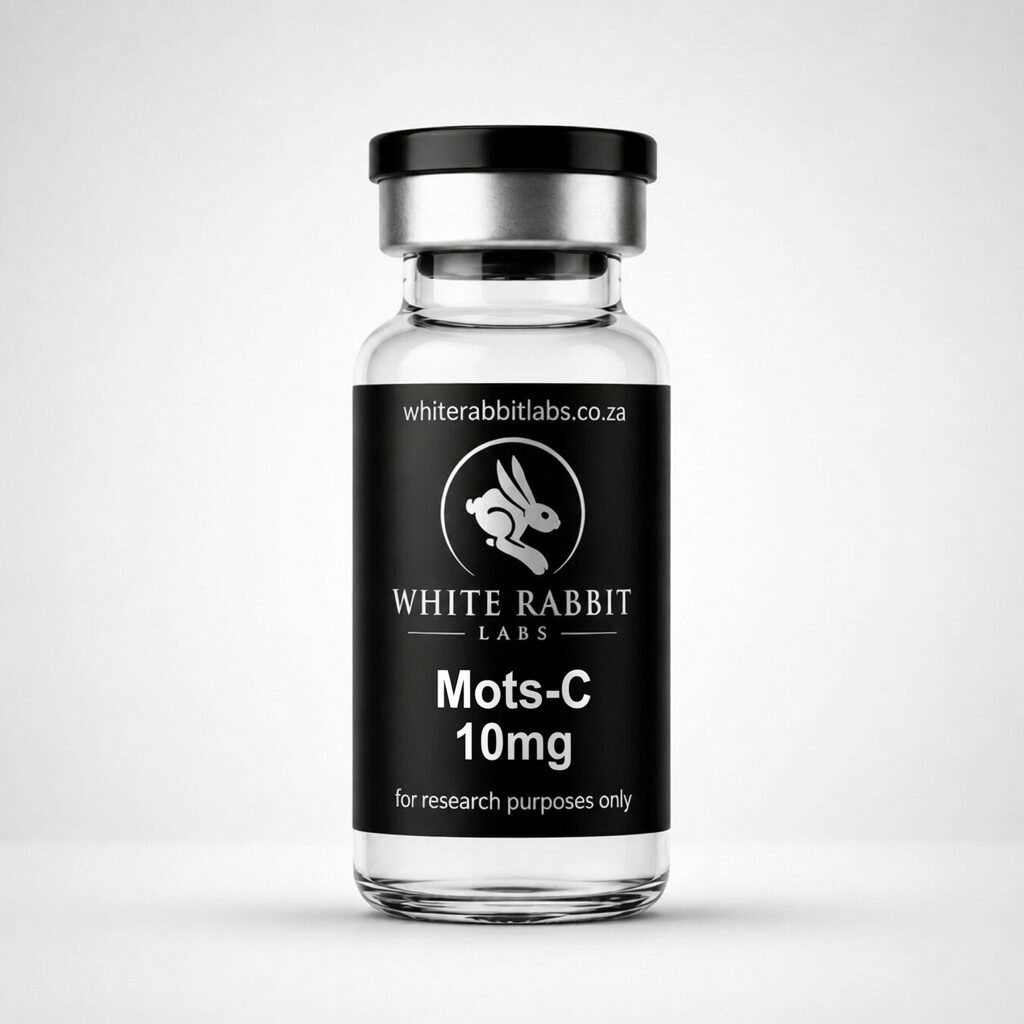
Mots-C 10mg
SLU-PP-332 25mg 100 Tablets
GHK-CU 50mg
BPC-157 + TB500 Blend 10mg
7 catalogue entries
Continue exploring
Educational information, reviewed 3 November 2026. Not medical advice. Research catalogue products are not intended for human or animal consumption. Consult a qualified healthcare professional about symptoms and treatment.