Addiction research.
A closer look at
NAD+ & GLP-1.
Understand the emerging evidence, recognise its limitations and explore the original studies before browsing compound information.
Explore the researchRecovery is about people.
Addiction can affect habits, relationships and everyday life. Support needs differ, so understanding the person matters alongside understanding the science.
One headline.
More questions.
A promising result is a reason to look closer. Open a study below to see who took part, what changed and what remains uncertain.
Three studies. Different questions.
Select a study to see its design, findings and limitations.
NAD+ and enkephalinase inhibition
View researchThe 2022 report recorded improvements in craving, anxiety and depression scores. It was not a randomised placebo-controlled test of NAD+ alone.
What limits the conclusions?
Without a suitable comparison group, the changes cannot be attributed specifically to NAD+. The combined protocol and limited follow-up do not establish long-term relapse prevention.
Semaglutide and alcohol use disorder
View researchThe trial found reductions in laboratory alcohol consumption, drinks per drinking day and weekly craving. Average drinks per calendar day and the number of drinking days did not improve significantly.
What limits the conclusions?
This small, short trial in non-treatment-seeking adults supports further study. It does not establish lasting recovery or effectiveness across all substance-use disorders.
Alcohol use disorder with comorbid obesity
View researchSemaglutide plus cognitive behavioural therapy reduced heavy-drinking days more than placebo plus the same therapy. Gastrointestinal adverse events occurred more often with semaglutide.
What limits the conclusions?
The participants had both alcohol use disorder and obesity. Results do not establish the same benefit for people without obesity, other addictions, or other compounds. Research catalogue vials are not the clinical products tested.
Read it.
Question it.
Keep it in context.
Does a study apply to every product?
No. Check the exact compound, formulation and population. Findings about semaglutide cannot automatically be applied to another compound or a supplier’s research vial.
Were NAD+ and GLP-1 tested together?
The studies above do not establish an effective or safe combined NAD+ / GLP-1 addiction treatment.
Breaking Free: How NAD+ and GLP-1 Peptides Are Offering New Hope in the Fight Against Addiction
Original article from the 3 November export. The study explorer above provides context for its historical claims.
NAD+: Replenishing the Brain’s Energy Currency to Quiet Cravings
NAD+ is a vital coenzyme present in every cell, essential for energy production, DNA repair, and mitochondrial function. Chronic substance use depletes NAD+ levels, leading to fatigue, mood instability, and heightened cravings as the brain’s reward system struggles to function normally. Replenishing NAD+—often via intravenous or research-grade injectable forms—aims to restore cellular health, repair damage from addiction, and reduce the neurobiological pull of substances.
The foundation for NAD+ in addiction dates back to the 1960s. In a retrospective case series, Dr. Paul O’Hollaren treated over 100 patients addicted to alcohol, opioids, cocaine, amphetamines, and more with IV NAD+ (doses of 500–1,000 mg daily for several days, followed by maintenance). Patients reported rapid reductions in cravings and withdrawal symptoms with minimal side effects.
Fast-forward to modern research: A 2022 pilot study involving 50 patients with substance use disorder (SUD) used IV NAD+ combined with enkephalinase inhibition. Results were striking—statistically significant drops in craving scores (p=1.063E-9), anxiety (p=5.487E-7), and depression (p=1.763E-4) after treatment. A subset of 40 patients showed 100% negative urine tests for illicit substances midway through the protocol, highlighting potential for sustained recovery. Linear trend analysis confirmed dose-dependent benefits.
Other protocols, like BR+NAD™ developed in the early 2000s, have shown similar real-world promise in reducing acute withdrawal symptoms, stress, anxiety, and depression when combined with amino acids—leading to more complete and lasting recovery in follow-up data.
In essence, NAD+ doesn’t just mask symptoms; it supports the brain’s natural repair mechanisms, helping users feel more energized, focused, and less driven by impulsive urges. For researchers and biohackers exploring addiction recovery, this makes NAD+ a compelling peptide to study.
GLP-1 Receptor Agonists: Targeting the Brain’s Reward Center to Silence Impulses
GLP-1 (glucagon-like peptide-1) receptor agonists—peptides originally developed for diabetes and weight management—are now stealing the spotlight for their broader effects on the brain’s reward and satiety pathways. These compounds (including research versions of semaglutide and tirzepatide) mimic a gut hormone that signals fullness and modulates dopamine—the neurotransmitter behind pleasure and compulsion. By calming overactive reward circuits, they appear to blunt the “drug noise” or impulsive cravings that drive addiction across substances.
Preclinical studies consistently show GLP-1 agonists reducing intake, relapse-like behaviors, and cue-induced seeking for alcohol, opioids, nicotine, cocaine, and more.
Human data is even more encouraging. A 2025 randomized clinical trial of once-weekly semaglutide in adults with alcohol use disorder (AUD) found significant reductions in alcohol self-administration, drinks per drinking day, weekly cravings, and heavy drinking over time—plus bonus reductions in cigarette use among smokers. Effect sizes were medium to large.
A massive 2026 analysis of over 600,000 U.S. veterans with type 2 diabetes revealed GLP-1 users had a 14% lower risk of developing any new substance use disorder (alcohol, cannabis, cocaine, nicotine, opioids) compared to those on other diabetes meds. Among those already battling SUD, GLP-1s were linked to 30% fewer drug-related ER visits, 25% fewer hospitalizations, 40% fewer overdoses, and 50% fewer substance-related deaths.
Additional studies echo this: Semaglutide lowered recurrent AUD risk by up to 56% in obesity cohorts, reduced opioid cravings by 40% in small trials, and showed promise for nicotine. Researchers describe it as hitting a “common biological pathway” underlying addiction—not just one substance at a time.
For those in the research space, GLP-1 peptides represent a novel way to explore impulse control and satiety beyond food—potentially transforming how we think about addiction recovery.
Why the Hype? Synergistic Potential and a Path Forward
Both NAD+ and GLP-1 peptides target root causes: NAD+ rebuilds cellular energy and resilience, while GLP-1 dials down the reward-driven impulses. Together or separately, they’re sparking optimism in a field desperate for breakthroughs. Ongoing trials (including larger RCTs for semaglutide in AUD and OUD) continue to build on this foundation.
Of course, these are research compounds. Results vary by individual, and more large-scale, controlled studies are needed. They are not FDA-approved for addiction treatment, and should never replace professional medical care, therapy, or established protocols. Always consult a qualified healthcare provider, and use only as directed for laboratory research.
At our shop, we’re proud to offer high-purity, research-grade NAD+ and GLP-1 peptides (including semaglutide analogs and related formulations) to support your scientific exploration into wellness and recovery. Whether you’re studying cellular repair with NAD+ or reward modulation with GLP-1s, these tools could be the key to unlocking new insights—and real results.
Disclaimer: This article is for informational purposes only and based on available studies. Products are for research use only and not intended for human consumption. These statements have not been evaluated by SAHPRA or the FDA.
Ready to explore? Browse our selection below and take the next step in your research.
LOOKING FOR ADDICTION RELIEF? READ BELOW...
Explore the catalogue separately.
These listings are provided for catalogue reference. They are not addiction treatments or the clinical products tested in the trials above.
Affiliate disclosure: we may earn commission on qualifying purchases by newly referred customers. Purchases, payment and delivery take place on White Rabbit Labs.
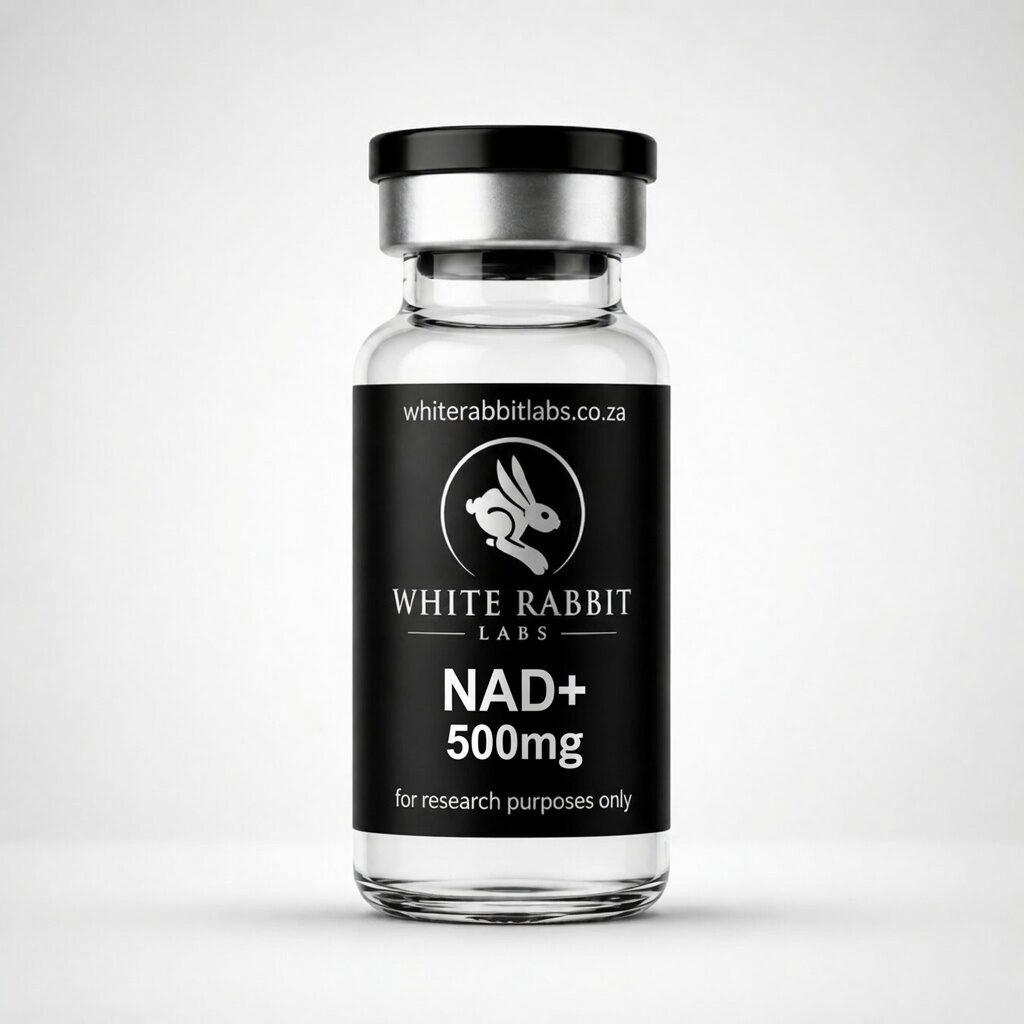
NAD+ 500mg
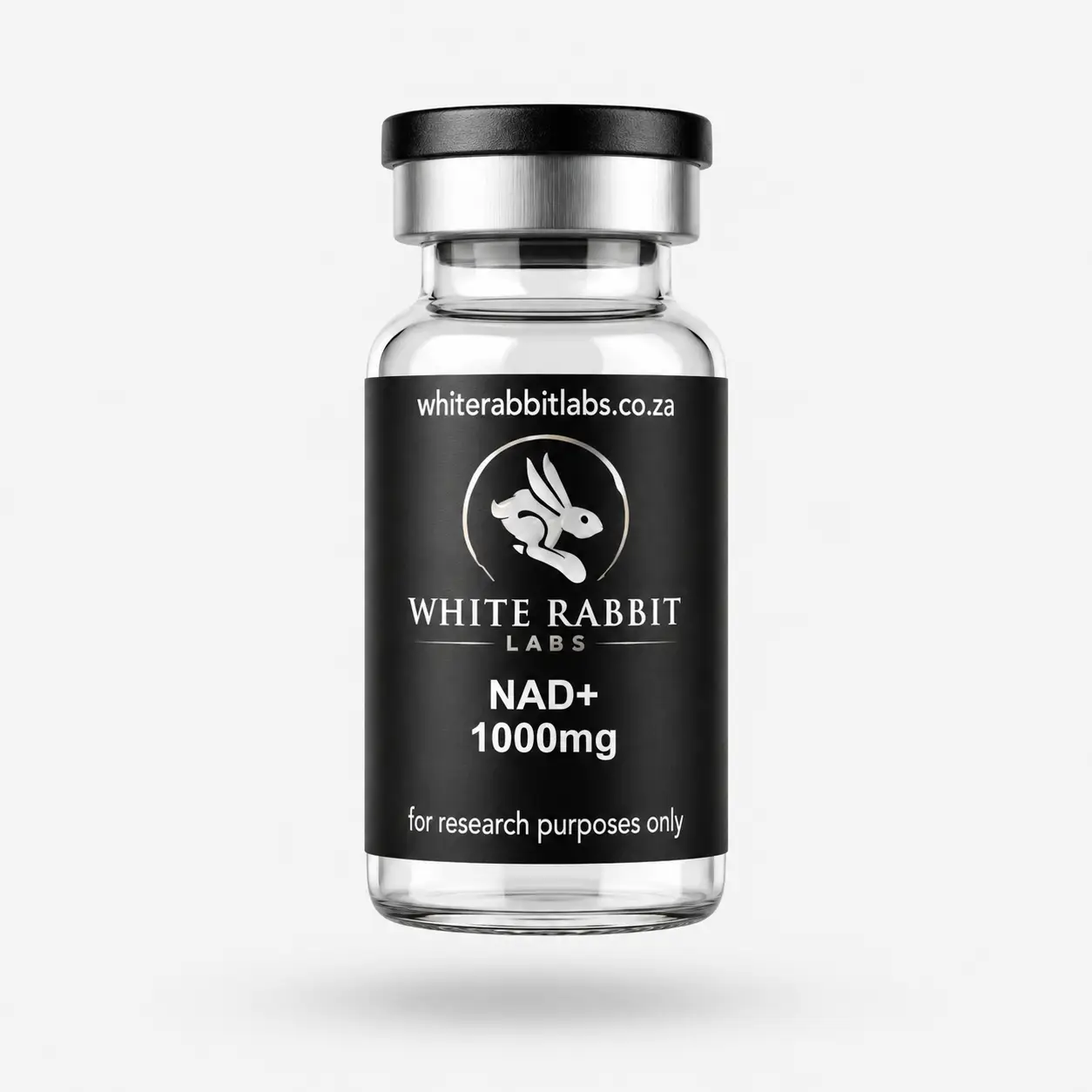
NAD+ 1000mg
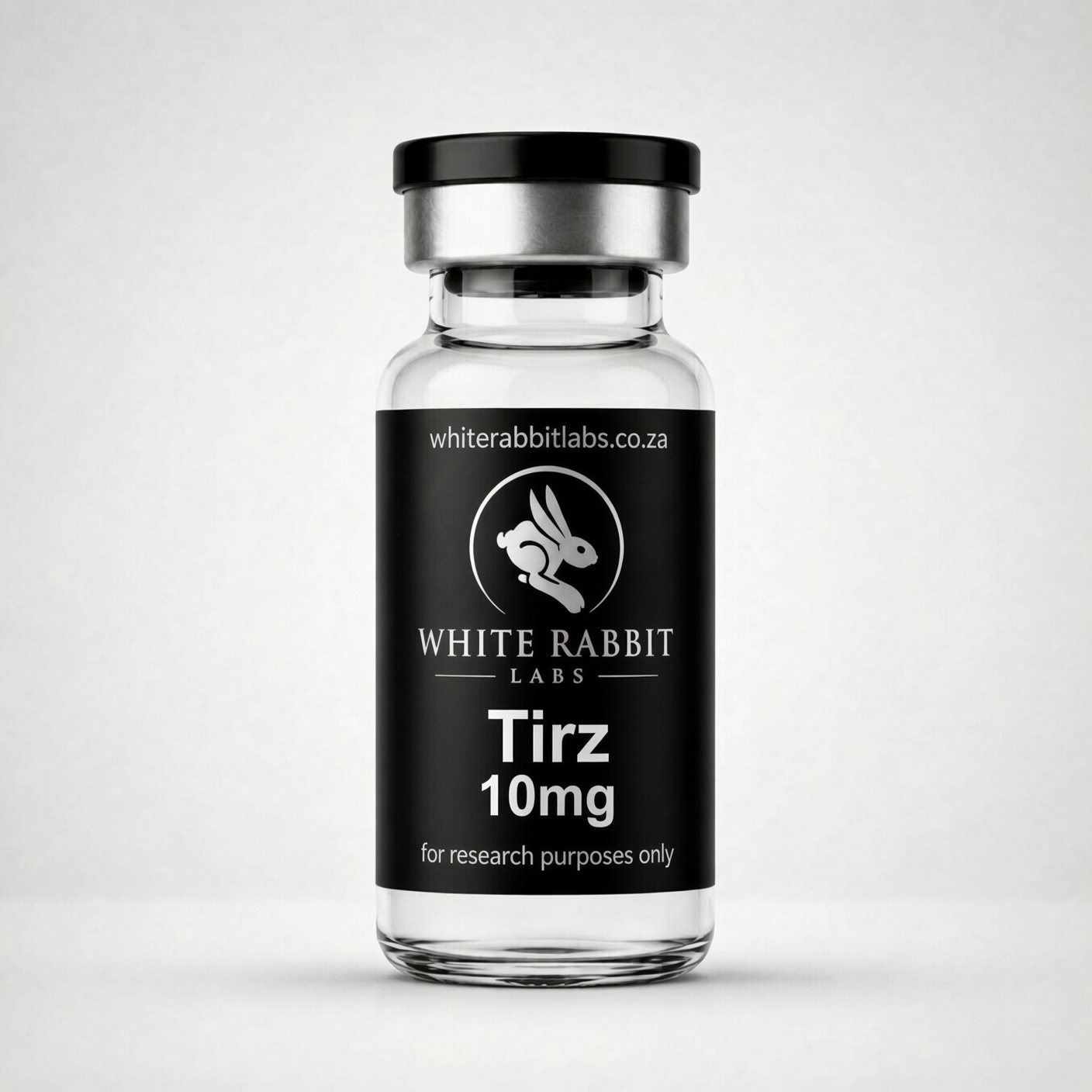
Tirz 10mg
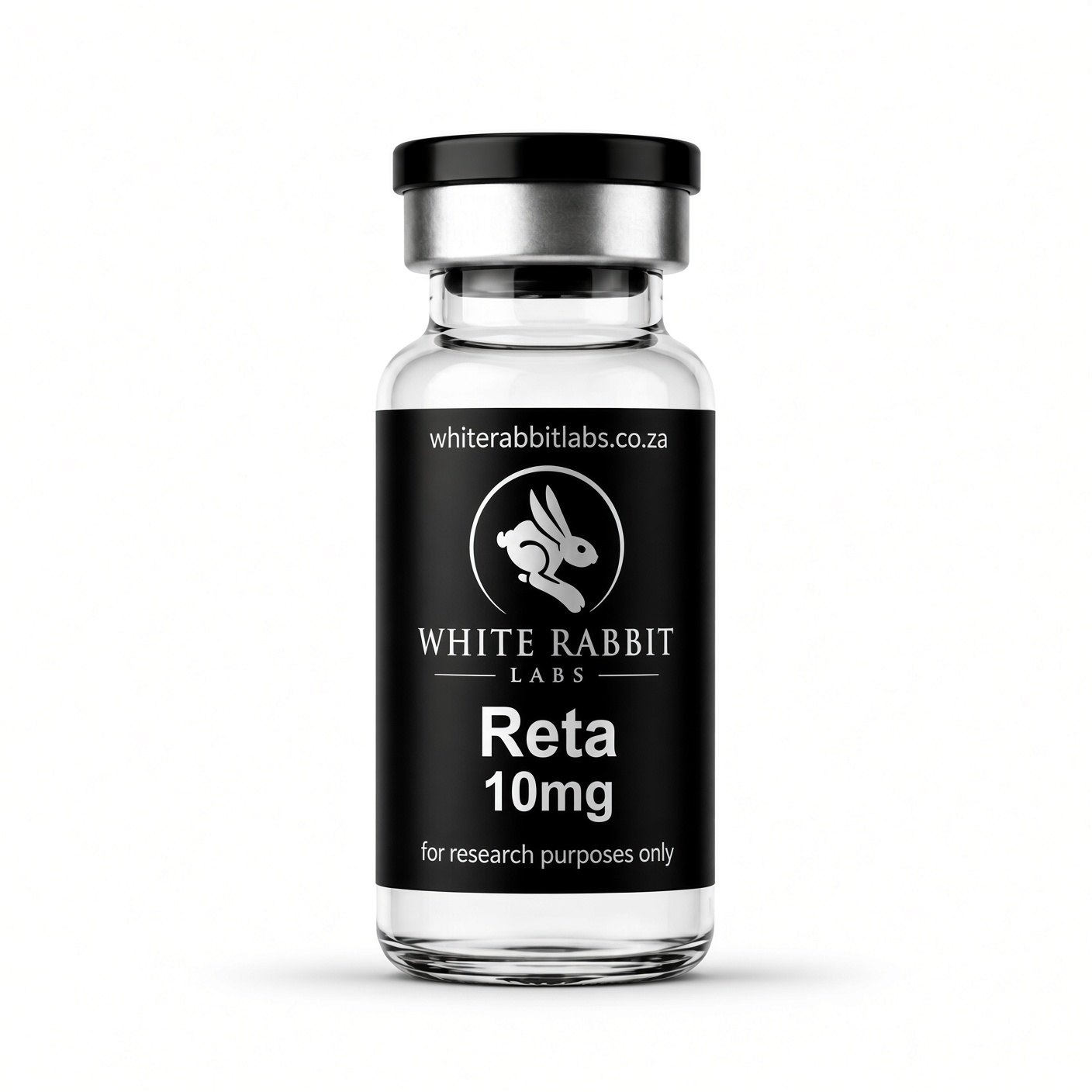
Reta 10mg
4 catalogue entries
Tirz and Reta are separate supplier listings. They are not semaglutide and the semaglutide trial results above do not establish addiction-treatment effects for these products.
Continue exploring
Educational information, reviewed 3 November 2026. Not medical advice. Catalogue products are labelled for research use only and not for human or animal consumption. Clinical research does not establish the safety or effectiveness of these supplier products.