A clearer look
at brain science.
Explore the research behind focus, memory, neuronal signalling and cognitive health. Understand what was tested before reading the product information.
Explore the compoundsBrain fog is a description, not a diagnosis.
Sleep, stress, medication effects and health conditions can all influence concentration and memory. Persistent or worsening difficulties deserve assessment rather than an assumption that a compound will solve them.
Researchers investigate many pathways involved in cognition: anxiety regulation, neurotrophic signalling, synaptic plasticity and neurotransmitter reuptake. A biological mechanism can be interesting without establishing better everyday thinking.
The compounds below have very different evidence bases. Tesofensine is a small-molecule drug, not a peptide. Trials in neurological disease do not automatically demonstrate benefits in healthy people.
Focus, memory and the evidence between them.
Selank
ANXIETY & CONCENTRATIONSelank is investigated in anxiety research. Less anxiety and better cognition are related questions, but they are not the same outcome.
What does the research show?
A study of 62 patients compared Selank with medazepam for generalised anxiety disorder and neurasthenia. It does not establish guaranteed all-day focus, improved memory in healthy adults or absence of drowsiness and dependence.
Semax
BDNF & LEARNINGSemax is an ACTH-fragment analogue studied in neurotrophic signalling, including BDNF and TrkB.
What does the research show?
A rat hippocampal study reported changes in BDNF/TrkB measurements and a learning task. These findings do not establish laser focus, faster learning or improved work performance in healthy people.
Adamax
MODIFIED-COMPOUND CLAIMSAdamax is marketed as a Semax-related research compound. The supplier name alone does not establish a validated structure, effect or duration.
What does the research show?
The primary Semax research linked here did not test Adamax. Claims that it is stronger, longer-lasting or produces cognitive euphoria cannot be inferred from that research. Its effects and human safety should be treated as uncertain.
Dihexa
SYNAPTIC SIGNALLINGDihexa has been investigated for interactions with the HGF/c-Met pathway and synaptic structures.
What does the research show?
Preclinical experiments examined synaptogenesis and spatial learning in a rat impairment model. They do not establish reversal of mild cognitive impairment, memory-loss treatment or brain repair in people.
Pinealon
NEURONAL STRESS RESPONSESPinealon is a short peptide studied in experimental neuronal stress models.
What does the research show?
One study investigated rat offspring exposed to a prenatal hyperhomocysteinaemia model and reported learning and neuronal-stress findings. This model does not establish protection against everyday brain fog or slowing of human cognitive decline.
Cerebrolysin
COGNITION IN CLINICAL POPULATIONSCerebrolysin is a porcine brain-derived peptide and amino-acid preparation studied in defined neurological populations.
What does the research show?
A 279-patient Alzheimer’s trial reported dose-dependent findings on cognition and global clinical impression. This is not evidence of a general focus enhancer for healthy adults. A supplier’s 60mg research product cannot be assumed equivalent to the clinical preparation used in the trial.
Tesofensine
MONOAMINE REUPTAKETesofensine inhibits reuptake of dopamine, noradrenaline and serotonin. It is not a peptide or a natural dopamine supplement.
What does the research show?
An early Parkinson’s trial did not show sustained superiority to placebo on its main outcome. Insomnia, dry mouth, constipation and increased heart rate were reported. These findings do not support promises of a gentle, crash-free concentration boost.
Inside the studies.
Anxiety relief is not a focus guarantee.
The trial compared 30 Selank-treated patients with 32 medazepam-treated patients with anxiety-related diagnoses. Its findings do not demonstrate better workplace performance or cognition in healthy adults.
Read the published studyA mechanism measured in the brain.
Semax altered BDNF and TrkB-related measurements in rats. A signalling change is not the same as a demonstrated improvement in human concentration, learning or memory.
Read the published studySynapses and a rat learning task.
Researchers studied HGF/c-Met signalling, synaptic structures and spatial learning in a rat impairment model. The experiment did not test reversal of human cognitive decline.
Read the published studyA defined disease, preparation and outcome.
The 279-patient trial assessed cognition and global clinical impression across three treatment groups and placebo. Results differed by treatment group; the findings do not establish a benefit for healthy users or equivalence to a research vial.
Read the published studyA neurotransmitter mechanism can still disappoint.
In 261 people with early Parkinson’s disease, tesofensine did not provide significantly greater benefit than placebo at the final main assessment. Adverse effects included insomnia, constipation and dry mouth; elevated heart rate was also reported.
Read the published studySharper questions. Clearer understanding.
Does more BDNF mean better everyday memory?
Not by itself. The species, brain region, measurement and behavioural outcome matter. A laboratory marker does not establish a meaningful benefit in a person.
Can Semax results be applied to Adamax?
No. A chemical modification may change a compound’s behaviour. Evidence for a parent molecule does not validate a different supplier-labelled derivative.
Are these proven to slow cognitive decline?
The studies linked here do not support that claim for the catalogue as a whole. Disease-specific trial findings and preclinical mechanisms answer different questions.
What should I do about persistent brain fog?
Consider sleep, stress and medication effects with a qualified healthcare professional. New or progressive memory difficulties deserve assessment. Do not stop prescribed medication or combine experimental compounds on the basis of supplier claims.
Original article
Archived wording from the 3 November WordPress export. The study section above provides context for the original claims.
Read the original Cognition article
Boost Your Brain Power: How Peptides Unlock Sharper Focus, Better Mood & Crystal-Clear Thinking
Modern life hits your brain hard — endless screens, stress, poor sleep, and age can bring brain fog, fuzzy memory, low motivation, and that “can’t focus” feeling. The good news? Targeted peptides act like natural keys to your brain’s full potential. They support mood, concentration, memory, new neural connections, and even slow cognitive decline — all in simple, easy-to-use formulas.
Here’s exactly why each one matters (and why so many people are adding them to their daily routine):
Selank – Calm Mood & Goodbye Anxiety
Feeling stressed or overwhelmed? Selank quickly reduces anxiety and lifts your mood without making you drowsy. It clears mental chatter so you stay focused and positive all day. Perfect if brain fog comes with worry.
Semax – Laser Focus & Stronger Memory
Semax is the go-to for sharp concentration and faster learning. It boosts BDNF (your brain’s growth fertilizer), improves memory recall, and helps you stay locked in during work or study. Users often say it feels like turning up the brightness on your thoughts.
Adamax – Next-Level Motivation & Mental Stamina
Think of Adamax as “Semax on steroids” — a more powerful, longer-lasting version. It supercharges motivation, clears brain fog for hours, and gives that enjoyable “cognitive euphoria” that makes tough tasks feel easy. Ideal for busy days when you need extra drive.
Dihexa – Build New Brain Connections & Fight Memory Loss
Dihexa is a game-changer for anyone worried about forgetting things or slowing down. It dramatically increases new neural connections (synapses) and helps repair brain pathways. Many notice better memory formation, quicker learning, and even reversal of mild cognitive decline.
Pinealon – Protect Your Brain & Slow Cognitive Decline
Pinealon delivers powerful neuroprotection and supports brain cell growth. It’s excellent for maintaining clear thinking as you age and protecting against everyday damage from stress or toxins.
Cerebrolysin – Real Repair for Aging Brains & Cognitive Decline
This clinically studied mix of brain-derived peptides is trusted worldwide for memory support, mental clarity, and recovery after stress or age-related fog. It nourishes neurons directly — great if you want proven, noticeable results.
Tesofensine – Dopamine Boost for Energy, Focus & Motivation
When your brain needs a gentle push, Tesofensine increases dopamine naturally. You get sustained mental energy, better concentration, and that “I can tackle anything” feeling — without the crash of coffee or stimulants.
Whether you want calm focus today, stronger memory tomorrow, or protection for years to come, these peptides deliver real, feel-it-in-days results. No complicated routines — just clearer thinking, better mood, and a sharper mind.
Ready to upgrade your brain?
Shop our full range of cognitive peptides now and experience the difference for yourself. Your sharper, happier mind is just a click away.
Read before you explore further.
View the full available supplier description on EDU. The separate purchase button opens that specific product on White Rabbit Labs in a new tab.
Affiliate disclosure: we may earn commission on qualifying purchases by newly referred customers. Orders, payments and delivery take place on White Rabbit Labs. These listings are not recommendations for treating cognitive symptoms.
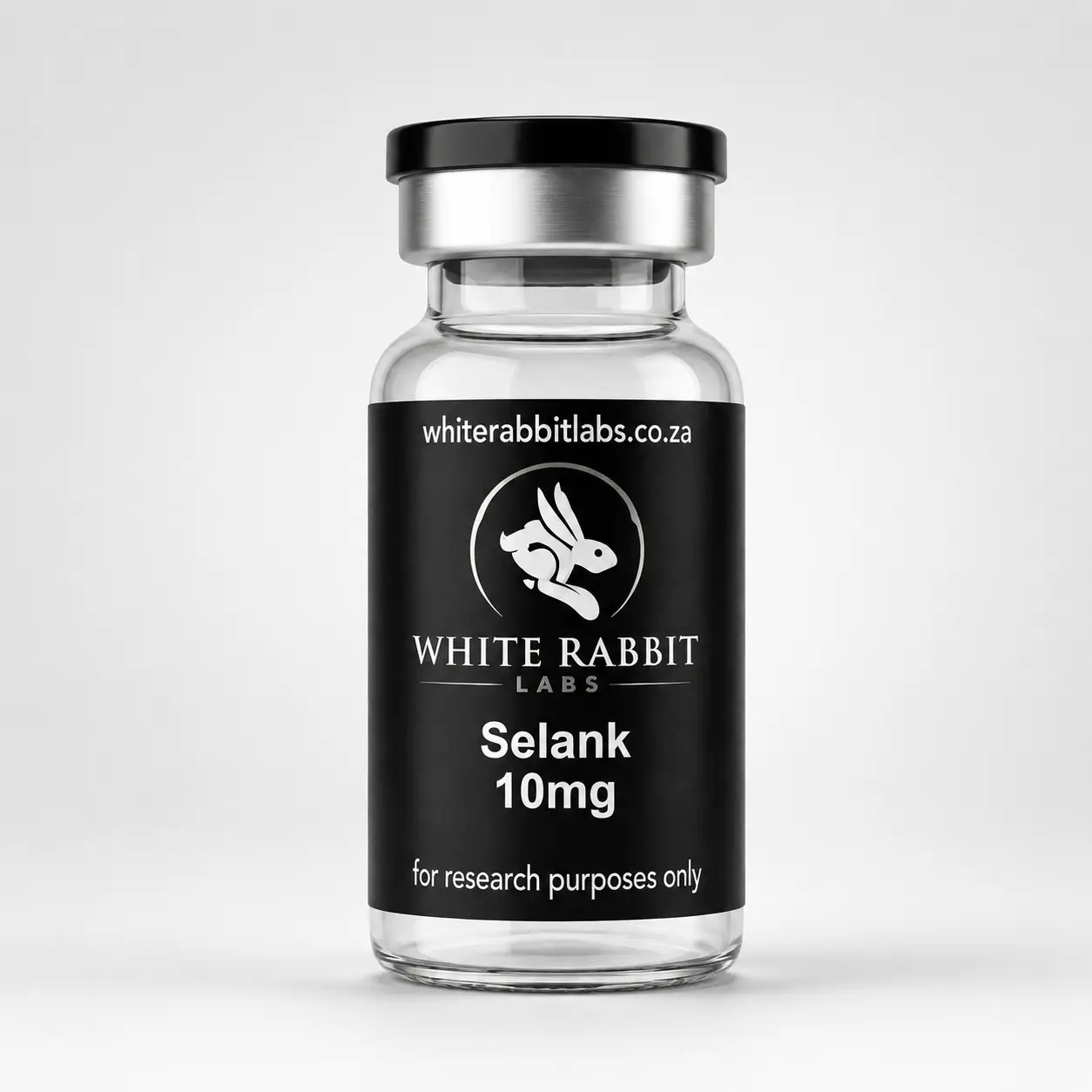
Selank 10mg
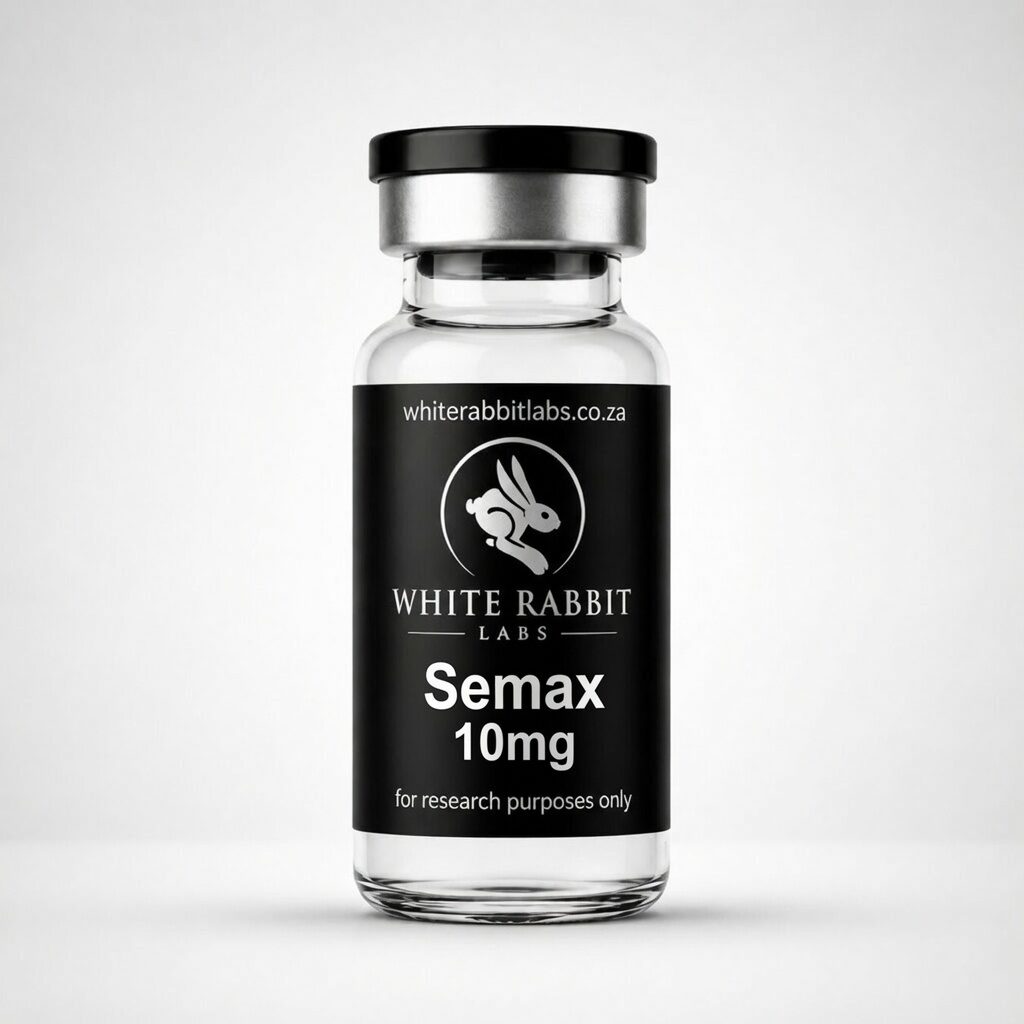
Semax 10mg
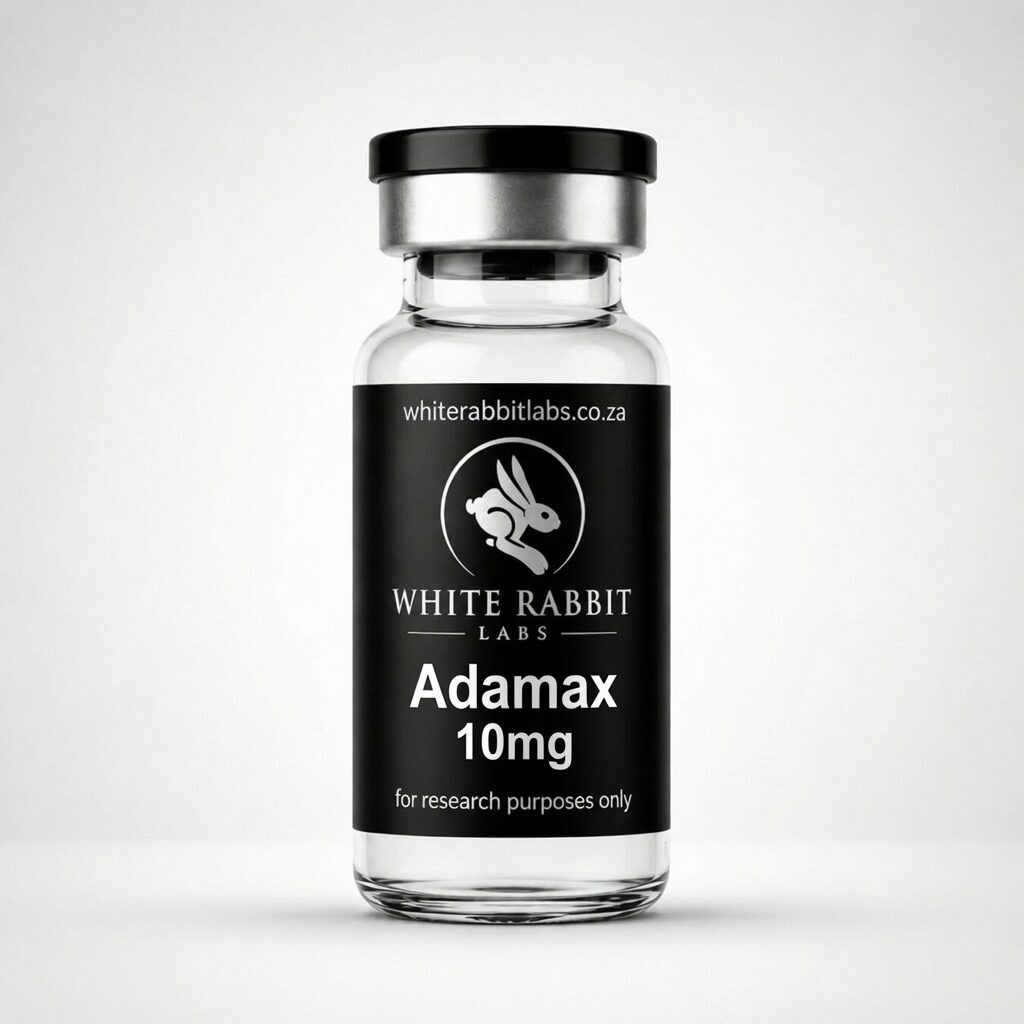
Adamax 10mg
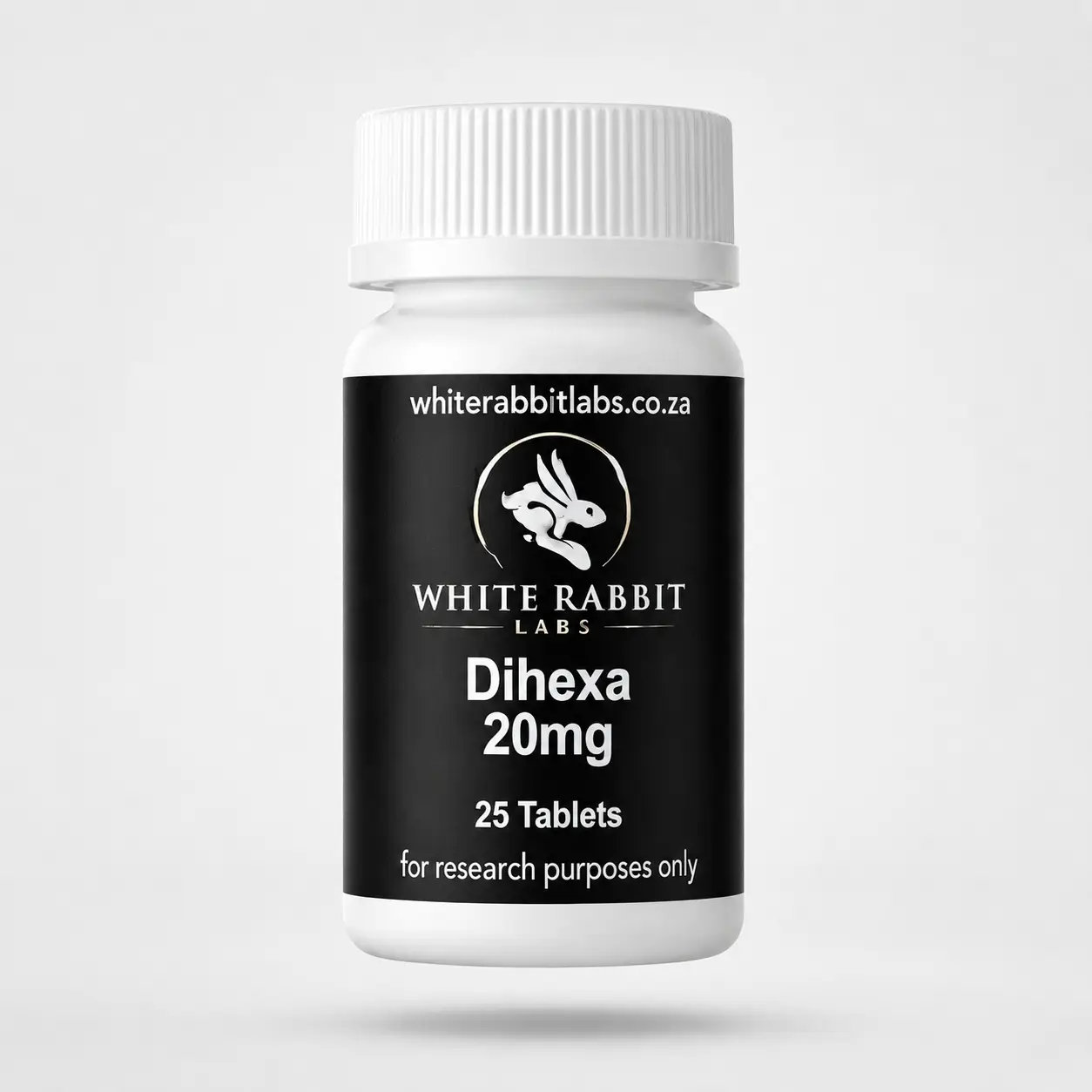
Dihexa 20mg
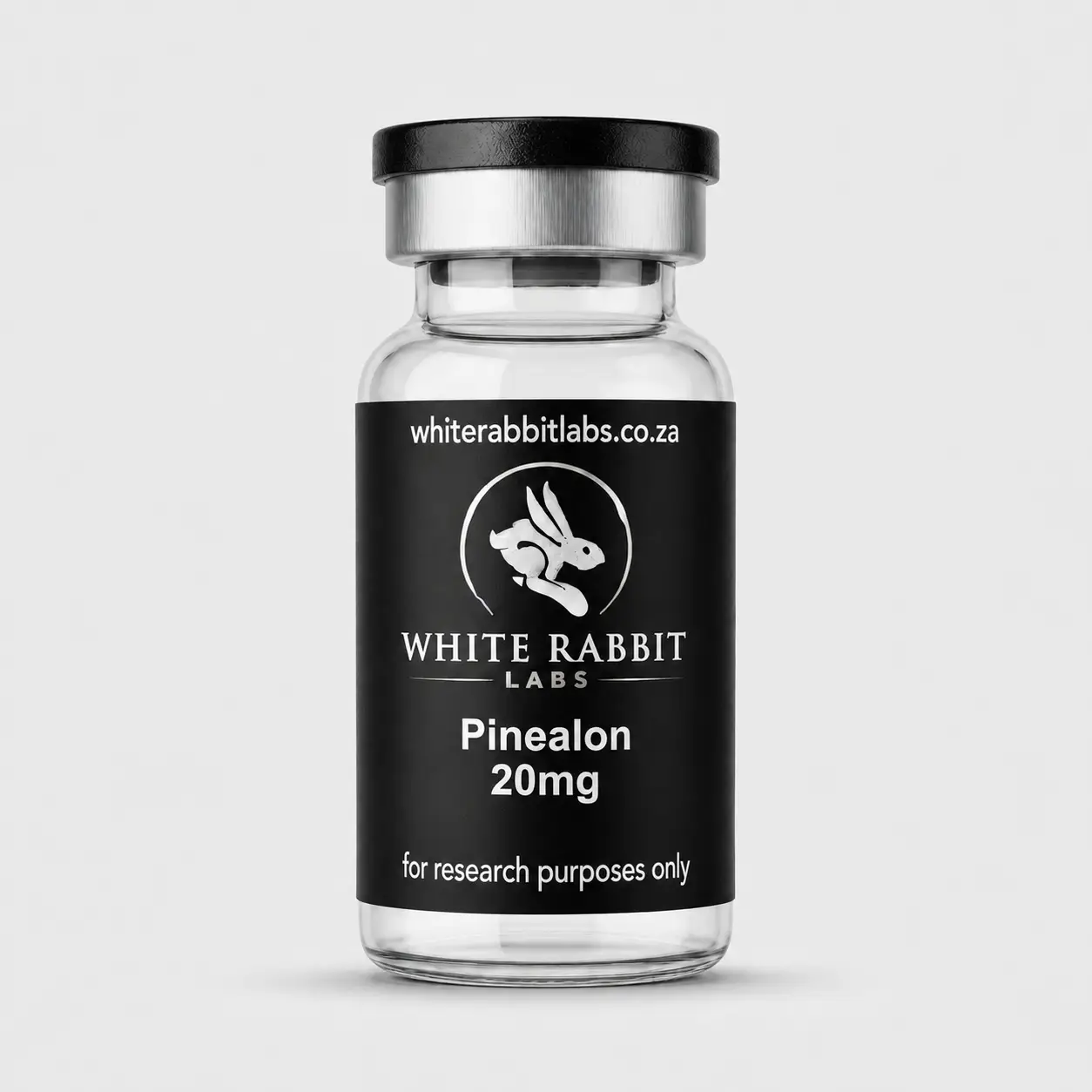
Pinealon 20mg
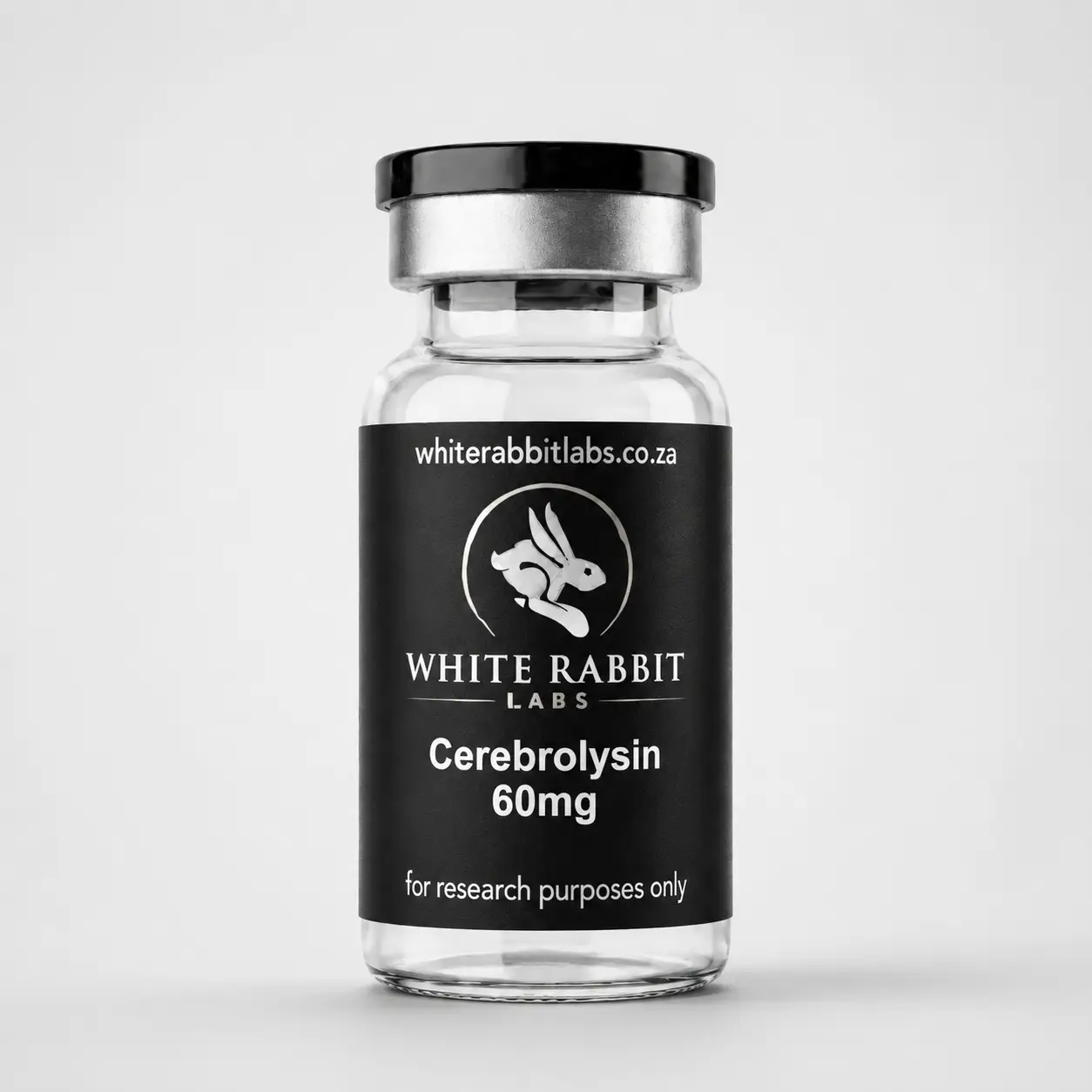
Cerebrolysin 60mg
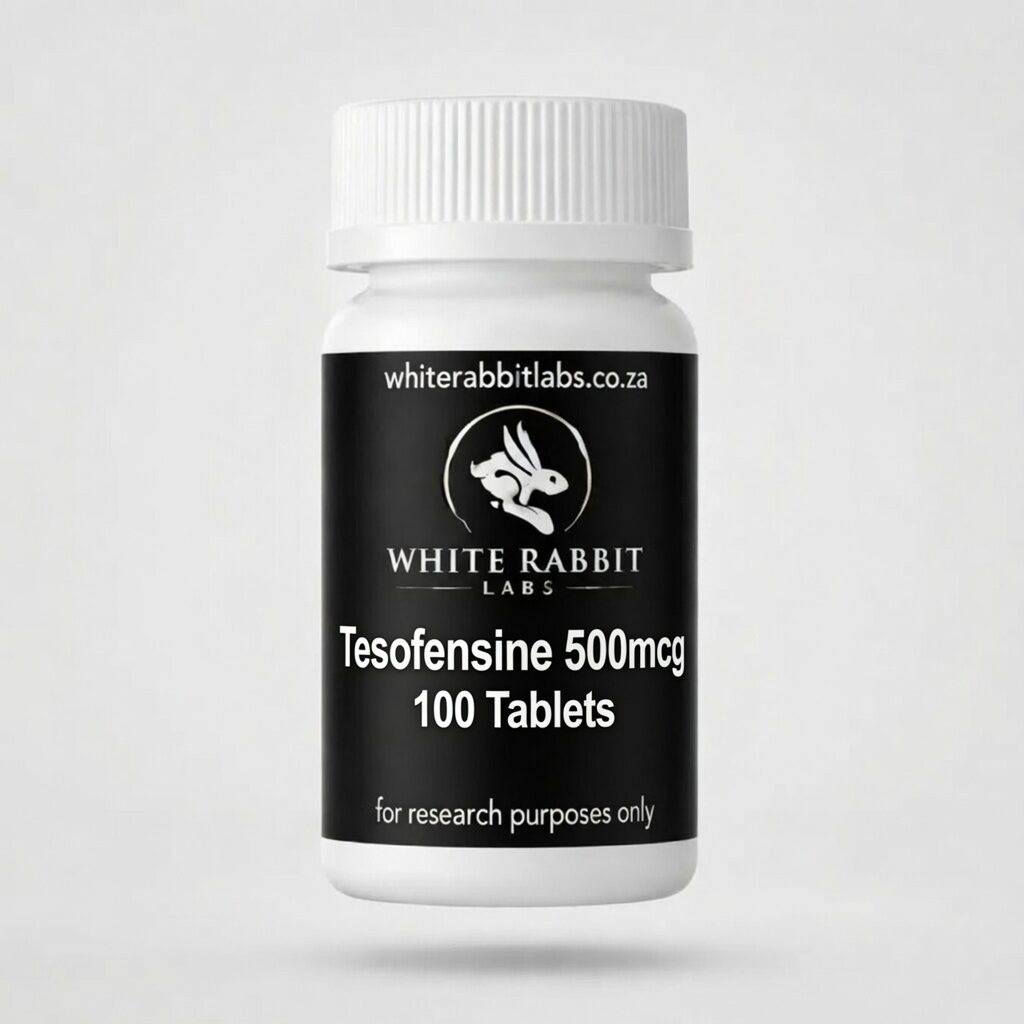
Tesofensine 500mcg
7 catalogue entries
Continue exploring
Educational information, reviewed 3 November 2026. Not medical advice. Research catalogue products are not intended for human or animal consumption. Consult a qualified healthcare professional about symptoms and treatment.